

I was mid-practice with the dinner juggle again — backpacks dumped by the door, one child asking if there was homework, the other asking for a snack — when the house filled with that warm, buttery smell of frying cheese and potatoes. It is the kind of smell that tells you dinner is not just on the table, it is happening right now, and everyone will turn up for it. If you need a dish that comes together without fuss and still feels like a hug, this Potato Cheese Sticks Recipe is the one I reach for, and if you like cozy, stick-to-your-ribs meals you might also enjoy my take on that one-pot lasagna soup I make on rainy nights.
Why This Potato Cheese Sticks Recipe Fits Our Real Life
This recipe became a staple the winter my kids both started after-school sports and I had exactly twenty minutes between the end of practice and bedtime duty. It is forgiving, quick when I need it to be, and full of the kind of flavors that stop small arguments at the kitchen counter. I tested it over and over in our small Oregon kitchen, with a toddler on my hip and a teenager doing algebra at the island, and the result kept working.
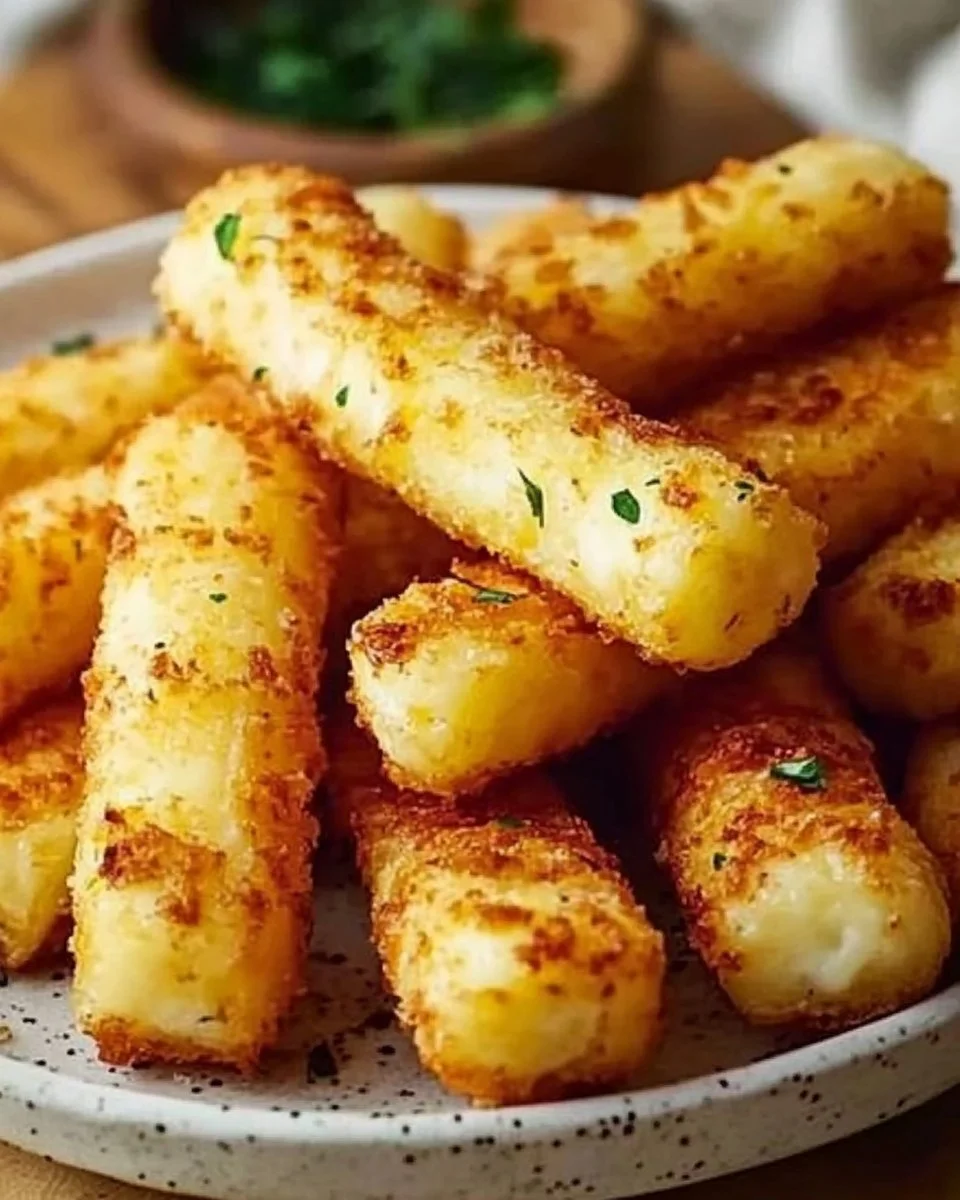
It fits our life because it uses things I usually have on hand. Cooked potatoes are often leftovers from a roasted dinner, bacon can be swapped for ham or omitted for the pickier eaters, and the cornstarch and panko make a crisp outside that hides the oozy cheese inside. That texture contrast — soft, mashed potato wrapped tight around melted cheddar — is the comfort that gets the kids to sit still long enough to eat.
Mostly, it stuck because it forgave mistakes. I once forgot to seal a cheese strip well, and the cheese leaked out into the oil, turning the potato stick into a blobby mess. We laughed, cleaned up, and I learned to press the potato snugly. Small kitchen failures turned into rules that actually make cooking less stressful.
How to Make Potato Cheese Sticks Recipe
“This is the part where the kitchen starts to smell like dinner is really happening.”
In a big bowl, combine the cooked and cubed russet potatoes, diced bacon, diced green onions, sour cream, 1 teaspoon salt, and 1/2 teaspoon pepper. Use a potato masher or fork to mash everything together until mostly smooth. You want it cohesive but not gluey; stop when you can press it together and it holds shape.
Cut the block of cheddar cheese into strips about 1/4 inch thick. Take your time on this step. Thick enough to give a satisfying melt, thin enough that the potato cooks around it quickly.
Take a spoonful of the potato mixture and flatten it in your palm. Place a strip of cheddar cheese in the center and wrap the potato mixture around it, forming a ball. Press the edges to seal so the cheese does not escape during cooking; a little poke with your thumb here makes a big difference.
Set up three bowls for coating: one with flour, one with beaten egg, and one with a mixture of cornstarch and panko breadcrumbs. Having everything ready speeds things up and keeps your counter from getting messy.
Roll each potato stick in flour, then dip it in the beaten egg, and finally coat it in the panko breadcrumb mixture. Press the panko lightly so it sticks well; the cornstarch helps make the outside extra crispy.
Pour the vegetable oil or canola oil into a deep fryer or a large pot, making sure it’s at least 2 inches deep. Heat the oil to 350°F (180°C). Use a thermometer if you can; the right temperature keeps the outside crisp while the inside heats through.
Carefully place the coated potato sticks into the hot oil using tongs. Fry them for about 3 minutes or until they turn golden brown and crispy on the outside. Work in batches so you do not overcrowd the pot; crowded oil drops in temperature and makes soggy results.
Once the sticks are golden brown, remove them from the oil using a slotted spoon and transfer them to a plate lined with paper towels to drain any excess oil. Let them rest for a minute before serving; the cheese inside will be molten and can burn.
If you prefer baking, preheat your oven to 400°F (200°C). Arrange the coated sticks on a baking sheet but know the texture will be a touch different — still good, just less oily and a bit lighter.
Place the coated potato sticks on a baking sheet lined with parchment paper. Drizzle them with a bit of olive oil and sprinkle with salt. This little oil help gives a browning boost and keeps the panko from drying out.
Bake for approximately 15 minutes or until the cheese is completely melted in the middle and the outside is a light golden brown. Rotate the tray halfway through for even color, and watch the first batch so you can tweak the timing for your oven.
Let the potato cheese sticks cool for a few minutes before serving, as they will be very hot straight out of the oven or fryer. Serve on a big platter and expect the kids to hover, napkins in hand, ready to dip.
Ingredients You’ll Need
1 teaspoon salt (this is about balance; taste as you go)
1/2 teaspoon pepper (simple and familiar)
1/4 cup green onion (diced) (this stretches the flavor and helps picky eaters)
1/2 cup sour cream (gives creaminess without fuss)
3 russet potatoes (cooked and cubed) (use leftovers or boil quickly)
1/4 cup bacon (diced) (optional — swaps easily for ham or omit for vegetarian)
1 block cheddar cheese (cut into strips) (this is the prize in the middle)
2/3 cup cornstarch (this helps the crumbs stick and crisps the outside)
100 g panko breadcrumbs (keeps the coating light and crunchy)
flour (for the first coat; pantry staple)
egg (beaten) (binds the coating and seals in the filling)
1 litre vegetable oil or canola oil (enough for shallow deep frying)
Bringing Potato Cheese Sticks Recipe Together
There is a rhythm to making these that becomes soothing after a couple of tries. Start with the potatoes; if they are still warm when you mash with the sour cream, the texture becomes silkier and easier to form around the cheese. If they are cold, add a splash more sour cream or a teaspoon of milk to loosen.
I like to set the table while the oil heats. The frying only takes a few minutes per batch and hands-free moments are rare in my house. I cue the kids to wash up and set out small bowls of dipping sauces — ketchup, ranch, or a simple mustard-mayo — and suddenly the kitchen feels organized even when it is messy.
If you are baking instead of frying, the oven does more of the work and you can pop the trays in and answer emails or fold laundry without hovering. Either method brings the family to the counter, which is the whole point for me.
Serving Potato Cheese Sticks Recipe in Real Life
We eat these in a few different ways, depending on the time of day and what else is happening. On busy weeknights, they sit on a sheet pan and get passed around at the island while homework happens. The kids stand over the tray like little birds, grabbing with sticky fingers and reaching for napkins.
For a more sit-down meal, arrange them on a platter with sliced apples, carrot sticks, and a simple green salad. The fresh bite of vegetables balances the heaviness of the fried potato and melted cheese. If we are having movie night, I make a double batch and serve them with mix-and-match dips so everyone gets the flavor they want.
If guests come over, I put them on a big board with toothpicks and label the sauces. People love the crunchy outside and the molten center. It makes a party feel homey, never staged.
You can also turn them into a main by serving alongside a bowl of soup. It’s a practical pairing and stretches the dish without making you cook more.
In the middle of a busy season, I sometimes use them as tarde-meal to keep dinner simple and flexible. They are forgiving and make even small leftovers feel special.
Storing Potato Cheese Sticks Recipe for Busy Days
Leftovers will lose some of their crispness but hold onto the gooey center. Store cooled sticks in an airtight container in the fridge for up to two days. Lay them in a single layer if you can, or separate layers with parchment so they do not stick.
To reheat, use an oven or toaster oven at 375°F for 8 to 10 minutes, turning once for even crisping. The oven helps regain crunch without overcooking the cheese. If you reheat in the microwave, do it in short bursts and then give them a quick crisp in a hot pan or under the broiler.
You can also freeze the unbaked, coated sticks on a tray until solid, then transfer them to a bag for up to one month. When you want them, bake from frozen a bit longer than the fresh bake time and keep an eye out for bubbling cheese.
Leftovers make great lunchbox treats for older kids. Pack a napkin and a dip in a small container and they’ll happily eat them cold or room temperature.
Clara’s Kitchen Notes
Use warm mashed potatoes when possible: warm potatoes make the mixture stick together easier and require less force when wrapping the cheese. If your potatoes are cold, add a teaspoon of milk or a tablespoon of sour cream to loosen them.
Seal the cheese well: press the potato firmly around the cheese strip, then roll it between your palms to make a smooth surface. I learned the hard way that a small gap becomes melted cheese in the oil.
Keep the oil at a steady heat: 350°F is a good target. If it is too hot, the outside will brown before the inside heats; too cool and the coating will soak oil. A simple thermometer keeps you from guessing.
Make a dip station: little bowls with ketchup, ranch, a herby yogurt, and mustard help picky eaters find something they like. Variety makes a simple meal feel like a small celebration.
Clean as you go: while the potatoes are cooling and the oil is heating, wash up the bowls and utensils you used. It makes the after-dinner clean up far less painful and gives you a moment to breathe.
Family Variations on Potato Cheese Sticks Recipe
We have tweaked this dish a dozen ways depending on who is coming to dinner. For vegetarian families, skip the bacon and add a teaspoon of smoked paprika to the potato mix for that smoky note. For a heartier version, mix in some finely chopped ham or leftover roast chicken.
If you want them spicier, add a pinch of cayenne or chopped jalapeño to the potato mix. I once snuck some finely minced jalapeño into a batch for my husband and the kids loved the extra warmth.
Change up the cheese: use pepper jack for a spicy melt or gouda for a smoky creaminess. Harder cheeses need to be used more carefully but can add nice variety.
For a lighter take, bake them and use whole wheat panko or crushed cornflakes to change the crunch. My sister keeps a batch of seasoned breadcrumbs in the pantry and swaps in herbs for a different flavor profile.
If you have little hands that want to help, let them roll the balls and press the crumbs. It is a messy job, but they feel proud and are more likely to eat what they made.
Also, on special evenings I set out a small bowl of coarse salt so everyone can finish their stick the way they like it. Flaky salt makes them feel a little restaurant-like without any fuss.
FAQs About Potato Cheese Sticks Recipe
Can I make this ahead of time?
Yes. You can assemble the sticks and keep them on a tray in the fridge for a few hours before frying or baking. For longer storage, freeze them unbaked on a tray until solid, then bag them for up to a month.
What if the cheese leaks out while frying?
If cheese escapes, that usually means the potato did not seal tightly. Press the mixture firmly around the cheese and roll it smooth before coating. A quick patch with a little extra mashed potato helps seal weak spots.
Can I skip the bacon?
Absolutely. The bacon adds a smoky, salty note, but the recipe is lovely without it. Try adding a small pinch of smoked paprika for a similar depth.
How do I keep the outside crispy when baking?
Brush or lightly drizzle olive oil over the coated sticks before baking and use a hot oven. Rotate the tray halfway through so all sides brown evenly.
Are these safe for kids?
Yes, but watch for hot cheese. Let them cool a bit after cooking and cut the sticks in half for smaller hands.
What I’ve Learned Making This Over and Over
I have learned that simple food that feeds the heart also feeds the nerves. When life is loud and messy, a pot of something warm and familiar brings everyone back to the table. I learned to forgive the uneven shapes, the ones that puff a little more on one side. They still taste like dinner and they still make the kids grin.
I also learned to make the process part of the routine. If I can prep the potatoes and set the coating bowls while the kids are finishing homework, dinnertime flows. Even though I am far from perfect in the kitchen, I have found ways to make repeatable, good meals without pressure.
Small failures taught bigger lessons. When a batch turned out flat and greasy, I adjusted the oil temp and the coating sequence. When a kid refused to eat because of green onion, I learned to chop the onion tiny or offer a plain version. None of that made the dish less homey; it made it more useful.
How We Adapt It When Life Gets Hectic
On nights with practices and late meetings I make the potato mixture in the morning or the night before, keep it covered in the fridge, then form and coat right before cooking. The day-of work feels shorter and less frantic.
If a long recipe feels like too much, I make simple potato patties with no cheese and serve them with shredded cheese on top. The feel of the meal is the same. On the weekends, when time stretches, we sit and make them together, laughing about who can roll the roundest ball.
I also keep a bag of frozen breaded sticks in the freezer for emergency dinners. Those bags have saved nights when everything else went wrong.
Serving Suggestions and Dip Ideas
Dip ideas that work for us: plain ketchup for the kids, a blend of mayo and mustard for adults, ranch dressing for the crowd, and if I am feeling fancy, a quick sauce of yogurt, lemon, and chopped herbs. The contrast of acid, cream, and crunch makes the plate sing.
For a family meal, pair the sticks with a bowl of tomato soup or a simple green salad. They also make a playful side for grilled sandwiches or a movie-night platter.
If you want to waltz these into a weekend brunch, serve with scrambled eggs and fruit. They feel indulgent but still homey.
In the middle of a busy week, I sometimes set them out with sliced cucumbers and apples and call it a balanced meal. The kids disagree, but they still eat the vegetables between bites.
Also, if you love dips, check out a sweet and creamy option we sometimes make for parties. It pairs unexpectedly well with savory bites and brings a change of pace for guests. Try my favorite dessert dip alongside savory snacks like these for a playful contrast to salty, hot food: the Biscoff cookie butter cheesecake dip is a crowd-pleaser.
A Final Thought
I hope this Potato Cheese Sticks Recipe makes your evening a little easier and your kitchen feel a little warmer. Cooking for family is a messy kind of love, full of small choices and bigger laughs, and recipes that fold into life are the ones I keep making. If it helps you get dinner on the table and earns you a moment of quiet at the end of the day, then it has done its job.

Potato Cheese Sticks
Ingredients
Method
- In a big bowl, combine the cooked and cubed russet potatoes, diced bacon, diced green onions, sour cream, salt, and pepper. Mash everything together until mostly smooth.
- Cut the cheddar cheese into strips about 1/4 inch thick.
- Take a spoonful of the potato mixture and flatten it in your palm. Place a strip of cheese in the center and wrap the potato mixture around it, forming a ball. Seal the edges tightly.
- Set up three bowls for coating: flour, beaten egg, and a mixture of cornstarch and panko breadcrumbs.
- Roll each potato stick in flour, dip it in the beaten egg, and coat it in the panko breadcrumb mixture.
- Heat vegetable oil in a deep fryer or large pot to 350°F (180°C).
- Carefully place the coated potato sticks into the hot oil using tongs. Fry for about 3 minutes or until golden brown.
- Remove the sticks from the oil and drain on paper towels.
- If baking, preheat the oven to 400°F (200°C), arrange the sticks on a baking sheet, drizzle with olive oil, and bake for 15 minutes.
