
My very first attempt at homemade probiotic soda sat on the counter for about three days, and I probably checked it a dozen times a day. I kept wondering if anything was actually happening underneath that lid. On the third day, I finally opened the swing-top bottle and heard that satisfying hiss of trapped carbonation escaping. I took a sip: slightly tangy, just a little sweet, and nicely fizzy. For a moment, I couldn’t believe I’d created that from nothing more than fruit juice and a frothy jar of fermenting ginger bug.
If you’ve been curious about fermented sodas but haven’t known where to begin, this guide will show you step by step how to make probiotic soda at home from scratch. You’ll learn how a ginger bug functions, which ingredients you’ll need, the full process from bubbling jar to bottled drink, fun flavor combinations, and the practical tips that make a real difference. Before long, you could have a cold bottle of your own homemade fermented soda in the fridge, ready to enjoy whenever you like.
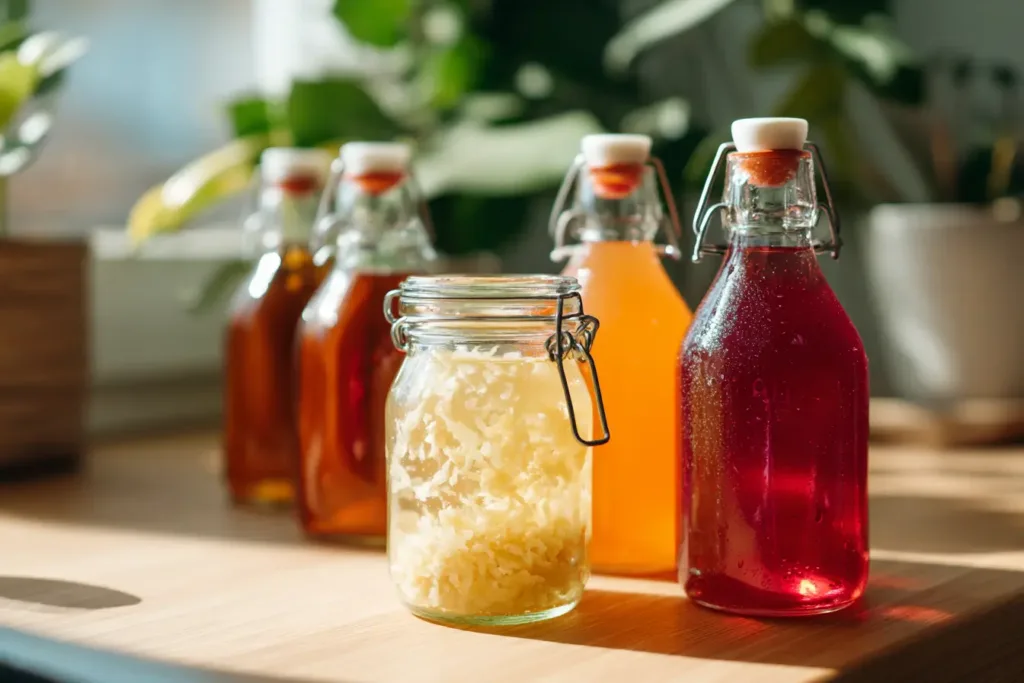
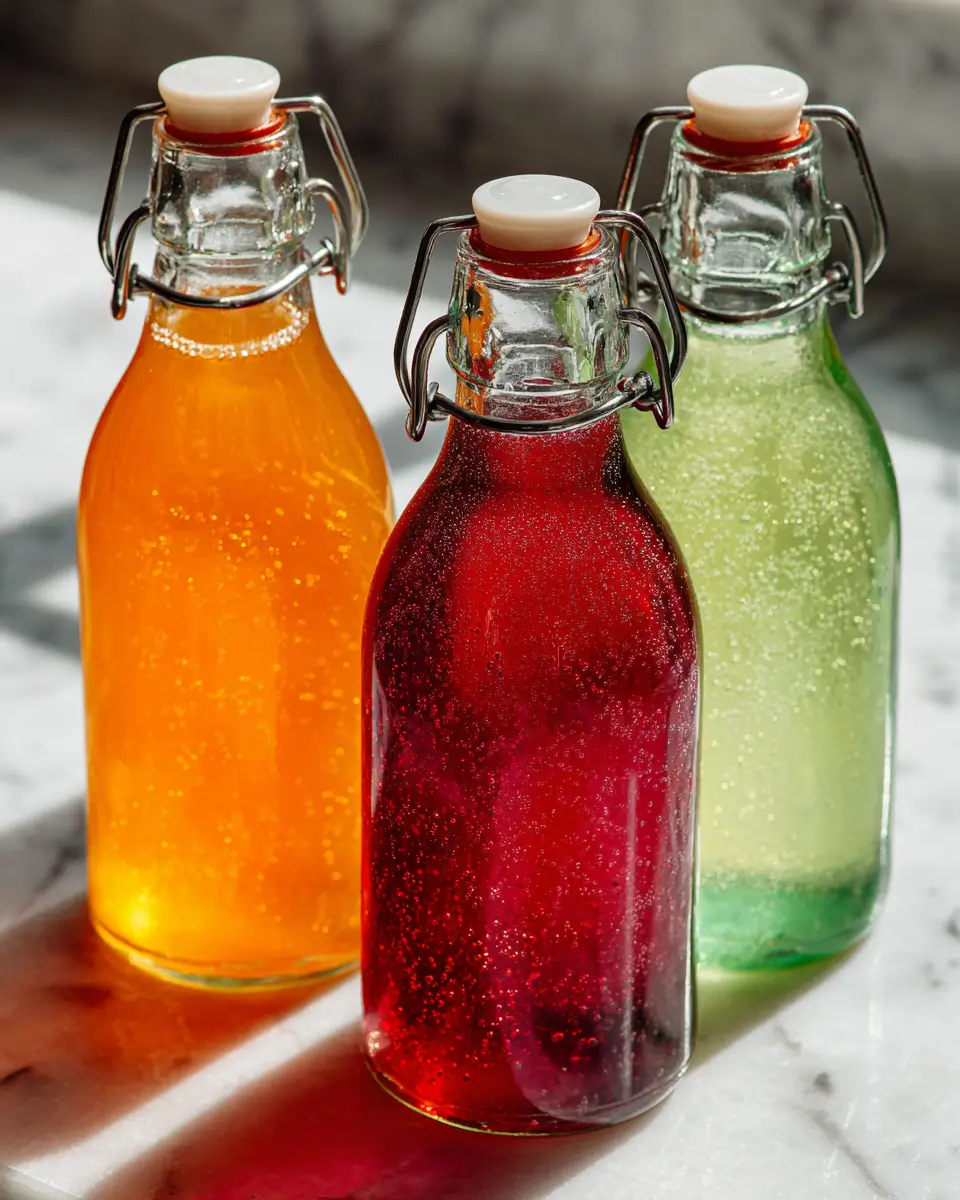
Homemade Probiotic Soda with Ginger Bug
Ingredients
Method
- Prepare your base by combining fruit juice or cooled brewed tea with sugar. Stir until the sugar fully dissolves.
- Ensure the liquid is at room temperature before proceeding. Hot liquid can kill the live cultures.
- Strain the ginger bug through a fine mesh strainer to remove ginger solids.
- Add 1/2 to 2/3 cup of the strained ginger bug liquid to the sweetened juice or tea. Stir gently to combine.
- Pour the mixture into glass swing-top bottles, leaving 1 to 2 inches of headspace.
- Seal the bottles tightly and place them in a cool, dark spot at room temperature.
- Allow the soda to ferment for 2 to 4 days, depending on temperature. Burp the bottles once daily to release excess pressure.
- Begin checking carbonation after 2 days by opening a bottle slowly and listening for a hiss.
- Once the soda is fizzy and slightly tangy, transfer bottles to the refrigerator to stop fermentation.
- Serve chilled and enjoy within 1 to 2 weeks.
Nutrition
Notes
Tried this recipe?
Let us know how it was!Key Takeaways
Making probiotic soda at home is surprisingly simple: you only need a ginger bug, some fruit juice or tea, sugar, and about 2 to 4 days of fermentation. The ginger bug acts as a natural wild starter, made from fresh ginger, sugar, and water, and it’s what gives your drink its gentle fizz and live probiotics.
To keep the cultures healthy, always use non‑chlorinated water and make sure any liquids you add are cooled to room temperature. Glass swing‑top bottles are ideal because they seal tightly and trap carbonation much better than regular screw caps. Once your soda reaches the level of fizz you like, store it in the fridge, where it will stay fresh and bubbly for up to two weeks.
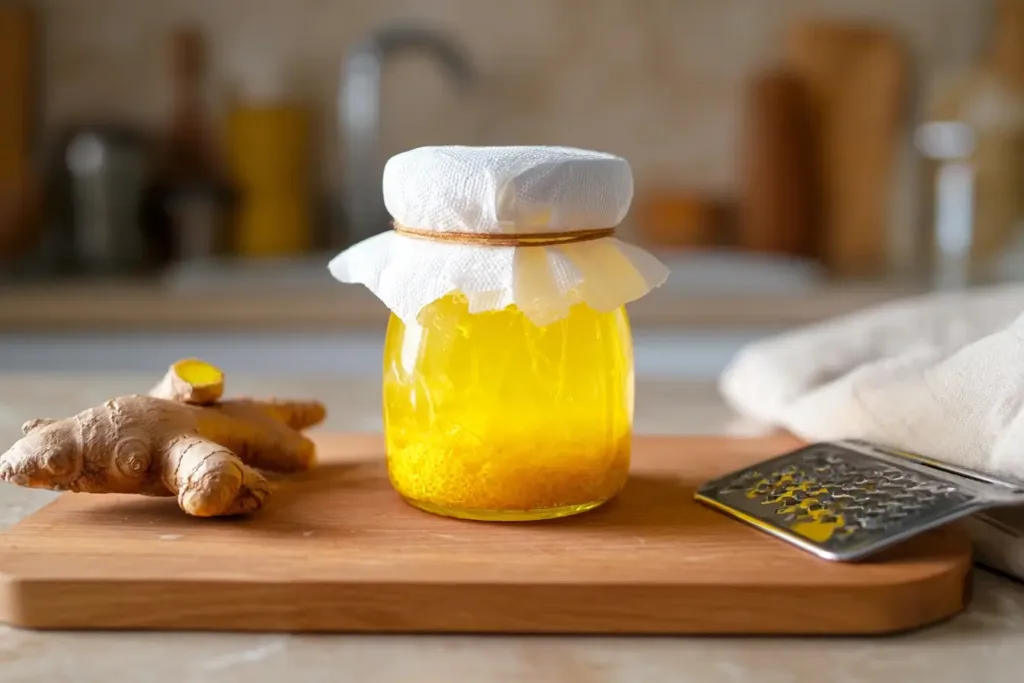
How To Make Probiotic Soda: How Does a Ginger Bug Work?
A ginger bug is a fermented starter culture created from fresh ginger, sugar, and water. Over several days, as you continue to feed it, the wild yeast and beneficial bacteria naturally present on the ginger multiply, transforming the mixture into a bubbly, living liquid full of active cultures.
When you add this ginger bug to sweetened fruit juice or tea, the microbes keep feeding on the sugar. As they break it down, they release carbon dioxide, and that trapped gas is what turns your juice into a naturally fizzy, probiotic‑rich soda.
This process is similar to how traditional fermented sodas and wild sodas were made for generations, long before modern carbonation methods existed. It’s simple biology working in your favor.
Ginger bug + sugar in juice → feeds live cultures → produces CO₂ → natural carbonation → fizzy, gut‑friendly homemade soda.
For more on how probiotics function in the body, the National Center for Complementary and Integrative Health has a clear and reliable overview worth bookmarking: https://www.nccih.nih.gov/health/probiotics-what-you-need-to-know
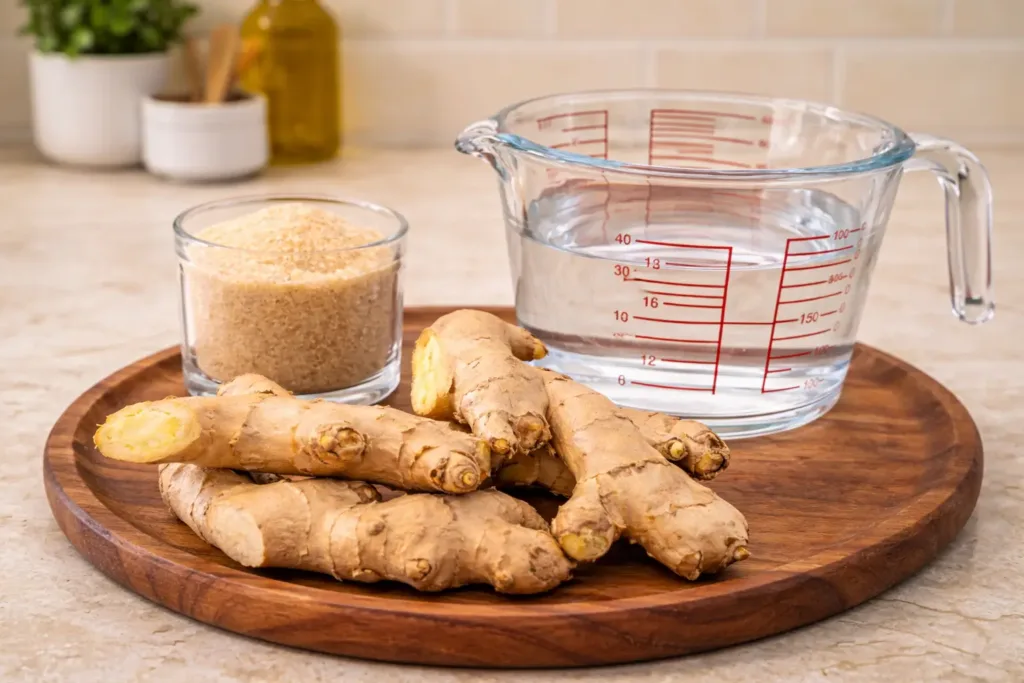
Ingredients for Making Fermented Soda at Home
One of the things I love about this recipe is how minimal the ingredient list is. You don’t need special equipment or hard‑to‑find ingredients—just a few simple items that really matter. Here’s what you’ll need and why each one counts.
Active ginger bug: This is the core of the recipe. It should be actively bubbling when you use it; a flat or sluggish bug will give you little to no carbonation in the finished soda.
Fruit juice or brewed tea: Use about 4 cups as your liquid base. Fresh‑squeezed juice, 100% store‑bought juice with no preservatives, or cooled herbal teas all work beautifully. Combinations like ginger‑bug hibiscus soda are especially popular.
Sugar: Stick to cane sugar, honey, or maple syrup, using roughly 1/2 cup. Don’t worry about the soda turning out too sweet—the bacteria consume most of the sugar during fermentation.
Non‑chlorinated water: If you’re using tea as your base, choose filtered or dechlorinated water. Chlorine can kill the live cultures you’re trying to grow.
Optional additions: A squeeze of lemon or lime adds a bright, fresh note. Fresh mint, sliced ginger, or spices like cinnamon can steep during fermentation to build extra flavor and depth.
How To Make Probiotic Soda Step by Step
- Follow these steps carefully the first time you make this soda. After one successful batch, the whole process will feel completely intuitive.
- Prepare your base. Mix 4 cups of fruit juice or fully cooled brewed tea with about 1/2 cup of sugar. Stir until the sugar is fully dissolved. If your juice is already quite sweet, reduce or even skip the extra sugar. Make sure the liquid is at room temperature—hot liquid will kill the ginger bug and prevent carbonation.
- Strain and add the ginger bug. Pour your active ginger bug through a fine‑mesh sieve to remove the ginger pieces. Add 1/2 to 2/3 cup of the strained liquid to the juice base and stir gently to combine. If your bug has been slow or sluggish, opt for closer to 2/3 cup.
- Bottle the soda. Transfer the mixture into glass swing‑top bottles, leaving about 1 to 2 inches of space at the top. The swing‑top seal helps trap the carbon dioxide created during fermentation, which is what gives your drink its natural fizz.
- Ferment at room temperature. Close the bottles and store them in a cool, dark place like a pantry or cabinet, away from direct sunlight. Let them ferment for 2 to 4 days, tasting and “burping” the bottles (briefly opening and closing them) once every day or two. Warmer kitchens speed up fermentation; cooler ones can take up to 7 days.
- Taste and refrigerate. Once the soda is nicely fizzy and has a light, pleasant tang, move it to the fridge. The cold temperature slows fermentation and preserves the carbonation. For best flavor and safety, enjoy it within 1 to 2 weeks.
How Long to Ferment Probiotic Soda
This is the step that varies the most—and the one that took me a few batches to really understand. The honest answer is that it depends on your kitchen temperature and how active your ginger bug is.
In a warm space above about 72°F, fermentation usually only needs 2 to 3 days. In a cooler room, plan on 4 to 7 days. In my experience, the best results come from leaving the bottles undisturbed for about 3 full days before opening; burping them too often lets out the pressure you’re trying to build.
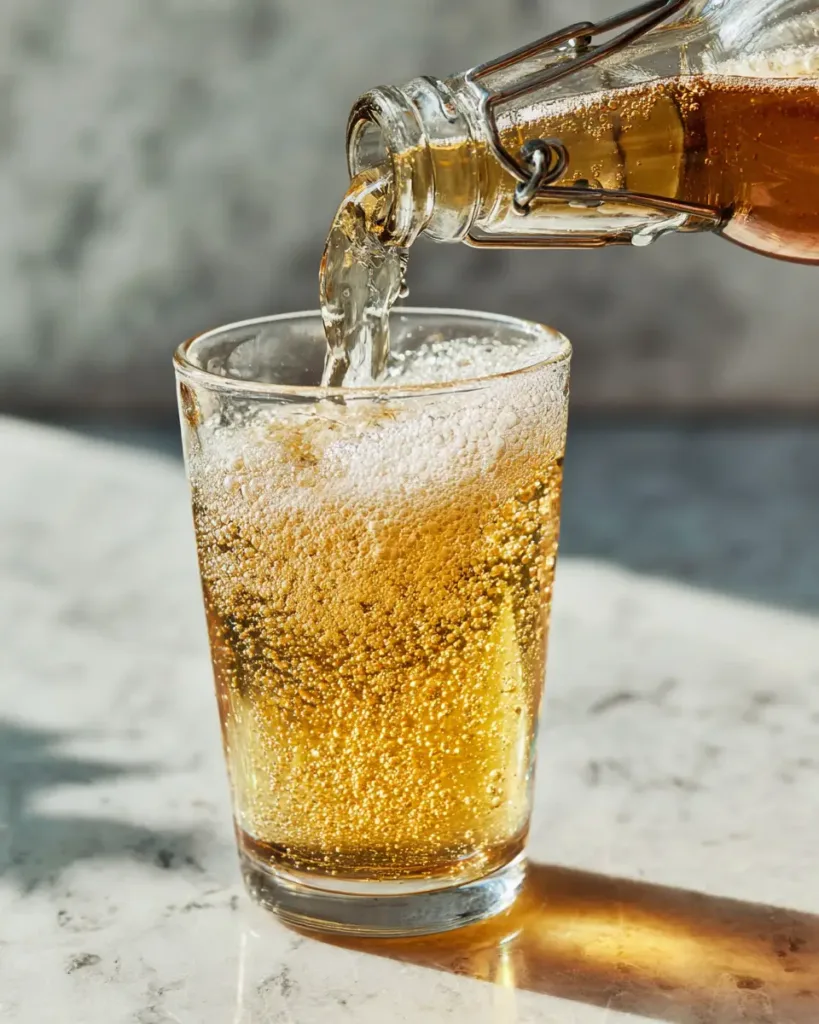
To check the carbonation, open a bottle slowly and listen for the hiss. Take a small sip: if it’s fizzy and slightly tangy but still pleasant, it’s ready. If it still tastes like flat juice, reseal it and wait another day or two.
Tips for the Best Soda Ginger Bug Results
- If your ginger bug seems slow or inactive, give it an extra day of feeding with fresh ginger and sugar before you use it.
- Always ferment in glass swing-top bottles, never in plastic or regular jars with normal lids; the tight seal really boosts carbonation.
- Start tasting your soda daily once it reaches the 2-day mark so you can stop fermentation at your ideal level of fizz.
- Keep fermenting bottles in a shaded spot, away from direct sunlight; a stable temperature leads to more predictable results.
- After opening, add a splash of lemon or lime juice for extra brightness; it lifts the whole flavor and makes the drink feel more vibrant.
Best Juices and Flavors for Fermented Soda Recipes
Once you’ve mastered the basic technique, you can experiment with almost any flavor you like. These are the combinations that consistently turn out well.
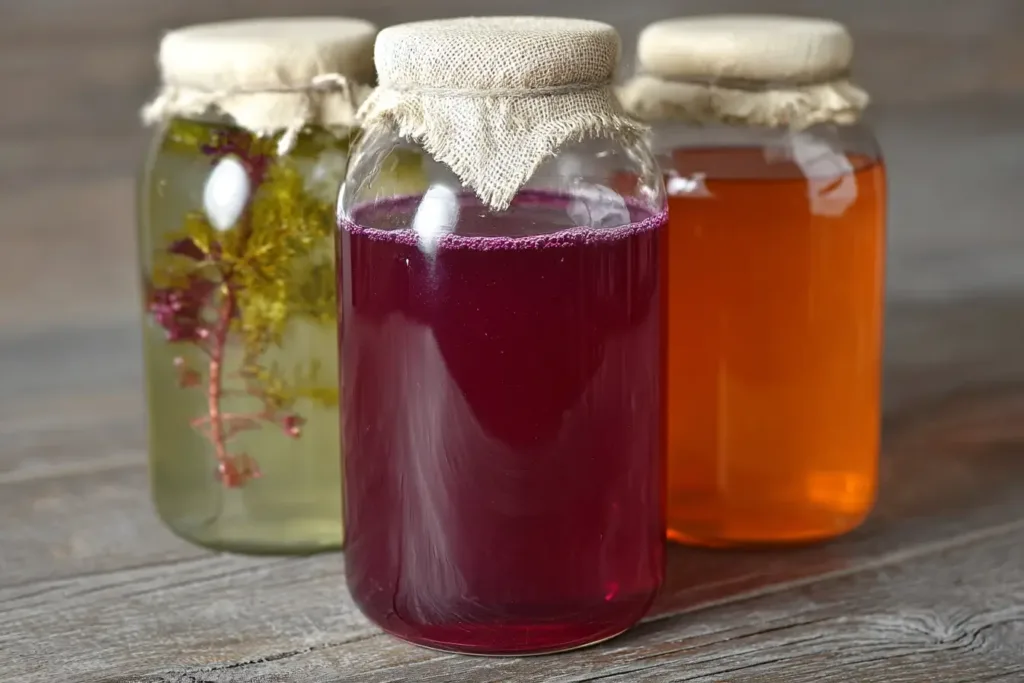
Hibiscus soda with ginger bug: Brew a strong hibiscus tea, sweeten it lightly, let it cool, then ferment it with your ginger bug. The result is a deep ruby‑red soda that’s slightly tart and incredibly striking in a glass.
Orange or pineapple juice: Both are naturally high in sugar, which feeds the cultures well and produces a nicely fizzy drink. Choose 100% juice with no preservatives for best results.
Apple juice: A classic, mild base that most people enjoy. It pairs especially well with a small amount of cinnamon added during fermentation for a cozy, spiced soda.
Ginger bug with green tea: Light, slightly grassy, and super refreshing. You can use honey instead of cane sugar for a more floral, rounded sweetness.
Shirley Temple–style probiotic soda: Mix grenadine with a neutral juice base and ferment with your ginger bug for a bubbly, nostalgic drink that still supports your gut health. It’s a fun trend that’s definitely worth trying.
Why Homemade Probiotic Soda is Good for You
Unlike store‑bought sodas, homemade fermented soda contains live probiotic cultures that can support gut health and digestion. During fermentation, the beneficial bacteria consume much of the added sugar, so the final drink often ends up lower in sugar than when you started.
As several health and nutrition sources explain, regularly consuming foods and drinks with live beneficial bacteria is associated with better digestion, improved immune function, and a more balanced gut microbiome . While a homemade fermented soda is not a therapeutic dose, it is a genuinely enjoyable way to add more fermented foods into your daily routine: https://www.healthline.com/nutrition/probiotics-101
It’s also a satisfying alternative to sugary commercial sodas. Many people who start brewing their own wild sodas find they naturally reach for store‑bought drinks much less often.
Is Probiotic Soda Safe for Diabetes?
Fermented soda tends to be lower in sugar than conventional soda because the live cultures feed on the sugar during fermentation. However, the final sugar level still depends on the juice you choose and how long the drink ferments. If you have diabetes, it’s important to monitor your intake and opt for lower‑sugar bases like hibiscus tea or diluted citrus juice. Always consult your healthcare provider before making fermented drinks a regular part of your diet.
Does Probiotic Soda Contain Alcohol?
Yes, but only in very small amounts. Fermented sodas naturally produce a bit of alcohol along with carbon dioxide, and they typically stay in the trace range (often around or below 0.5–1% ABV), which many regulations and health sources still classify as non-alcoholic.
Frequently Asked Questions About How To Make Probiotic Soda
Probiotic Soda FAQs
Can you make your own probiotic soda?
Yes, and it is much simpler than it looks. With an active ginger bug, some fruit juice or tea, a bit of sugar, and a few glass swing-top bottles, you can ferment your own soda in 2 to 4 days at room temperature. No specialized tools are required.
What makes a probiotic soda?
A probiotic soda starts with a live fermented starter such as a ginger bug. As this starter ferments the sugars in your juice or tea, it produces carbon dioxide for natural bubbles and a community of live, beneficial microbes that can support gut health. That mix of fizz plus active cultures is what sets it apart from a simple flavored soft drink.
Is it okay to drink probiotic soda every day?
For most healthy adults, enjoying about an 8-ounce glass of homemade fermented soda per day is a gentle, low-risk way to add live cultures to your routine. If you are new to fermented drinks, start with a smaller amount, as some people notice mild digestive changes at first. Anyone with specific medical conditions should talk with their healthcare provider before drinking it regularly.
Can I mix probiotics in soda?
You can stir probiotic powder into plain sparkling water, but the acidity and additives in commercial sodas can reduce how many microbes survive. Homemade fermented soda is a better choice: the cultures are already alive, established, and adapted to that slightly acidic, fizzy environment because they created it themselves.
Final Thoughts on Making Probiotic Soda at Home
There’s something uniquely satisfying about cracking open a bottle of soda you fermented yourself and hearing that soft hiss of carbonation you helped create. It only takes a few days and a little patience, but the method is simple and the payoff is always worth it.
Start with a juice you already enjoy, make sure your ginger bug is lively and bubbly before you begin, and give your bottles enough time to do their work in a warm, dark spot. The microbes will take it from there.
If this is your very first fermentation project, homemade probiotic soda is one of the most beginner‑friendly places to start. It gives you a hands‑on feel for wild fermentation and rewards you with something genuinely delicious to drink at the end.
Give it a try this week and let me know in the comments which flavor combo you went for—I love hearing what’s bubbling away in other people’s kitchens.
Did you make this recipe? Leave a rating below and share a photo on Instagram. Tag me so I can see your fermented soda creations!
Refreshing Detox Drinks to Try Next
If you’re excited to keep going with gut-friendly drinks, I’ve handpicked a few detox favorites that pair perfectly with this probiotic soda journey. These simple, nourishing recipes are easy to add into your daily routine and bring that same refreshing, feel-good energy. Start with the soothing Lemon Ginger Detox Drink, then try the vibrant Apple Cider Vinegar Detox Drink for a metabolism boost. I also love the calming Cucumber Mint Detox Water, the antioxidant-rich Berry Detox Smoothie, and the refreshing Pineapple Detox Juice. Each one is a delicious step toward feeling lighter, energized, and inspired in your kitchen.
The information on this website is provided for general, educational, and recipe inspiration purposes only and is not a substitute for professional medical advice. I am not a healthcare professional. Always speak with a qualified healthcare provider before changing your diet or trying new wellness practices, especially if you have an existing medical condition, are pregnant or breastfeeding, or are taking medication. Everyone’s body is different, and individual results can vary.
