
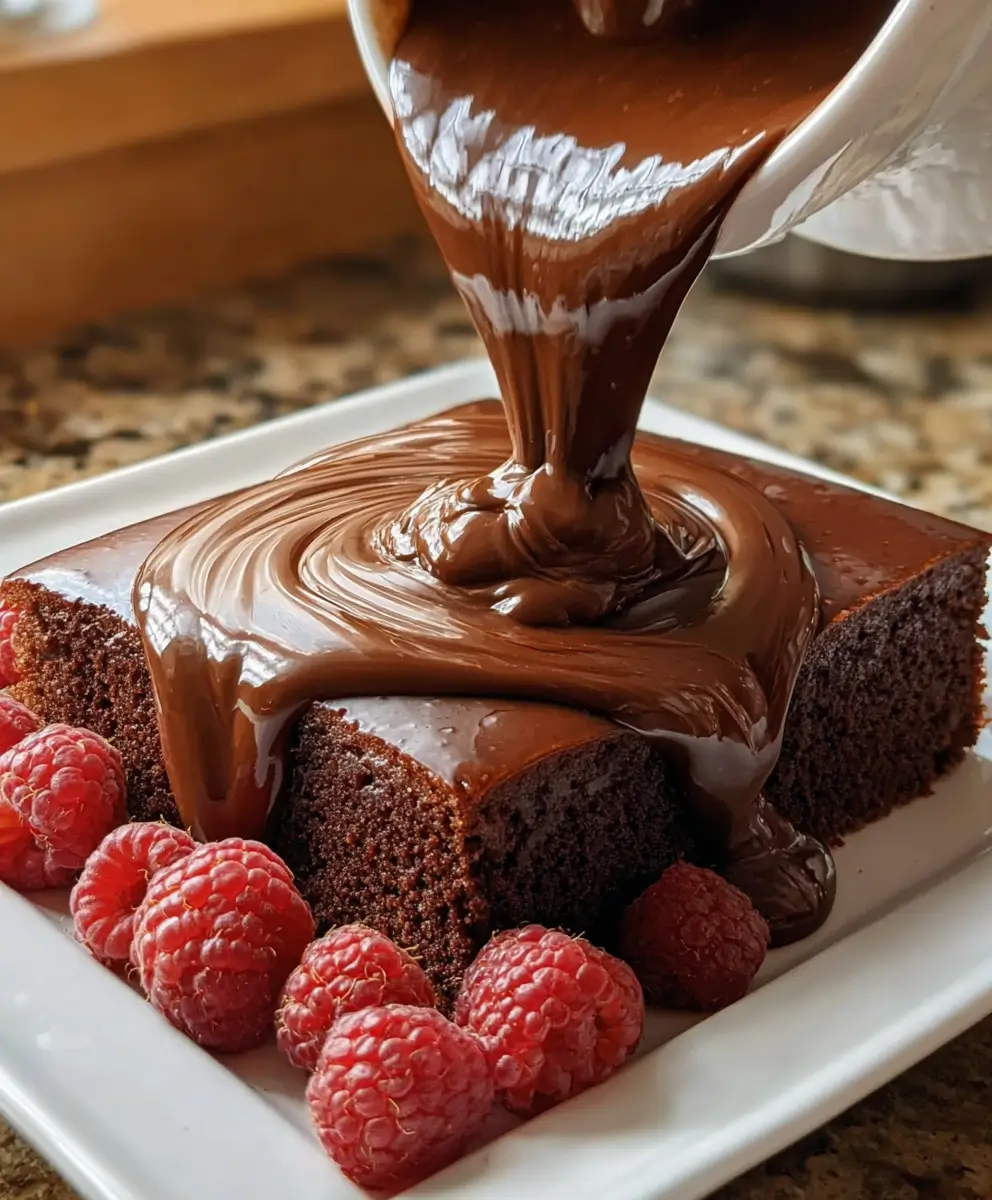
The kitchen smelled like warm butter and cocoa the first time I pulled this cake from the oven, while the kids were arguing over who got the biggest slice and the dog nosed the back of my ankle. I remember balancing a bowl on the counter with one hand, wiping a sticky face with the other, and thinking that the best recipes are the ones that survive real life. If you like a simple chocolate cake you can make in the middle of a busy afternoon, you might also enjoy how a chocolate snowball cake behaves when it meets a crowded table and a big pot of coffee.
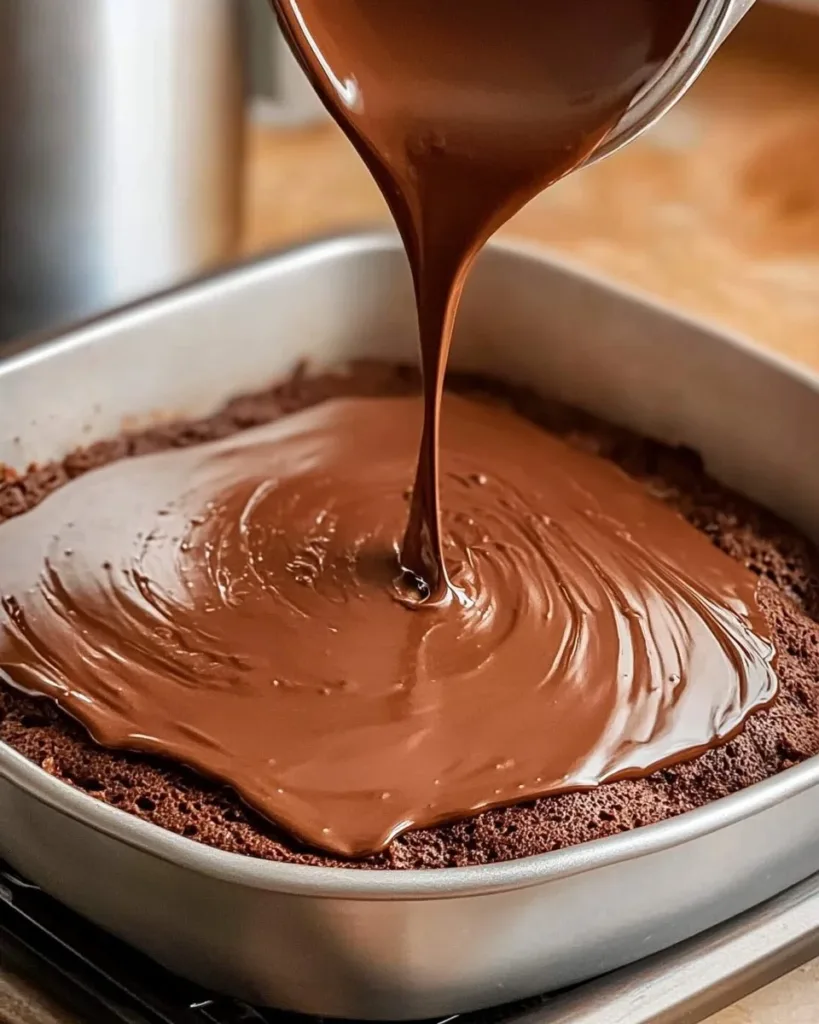
Buttermilk Chocolate Cake
Ingredients
Method
- Preheat your oven to 350°F (175°C). Grease and flour two 9-inch round cake pans.
- In a large bowl, combine flour, cocoa powder, sugar, baking powder, baking soda, and salt. Whisk briefly to make sure there are no lumps.
- Add eggs, buttermilk, oil, and vanilla extract to the dry ingredients. Beat on medium speed for 2 minutes.
- Stir in boiling water until the batter is well combined (it will be thin).
- Pour the batter evenly into the prepared pans.
- Bake for 30-35 minutes or until a toothpick inserted into the center comes out clean.
- Let the cakes cool for 10 minutes in the pans, then remove from pans and cool completely on a wire rack.
- Frost with your favorite fudgy frosting once the cakes have cooled.
Nutrition
Notes
Tried this recipe?
Let us know how it was!Table of Contents
Table of Contents
Why This Buttermilk Chocolate Cake Fits Our Real Life
This cake learned to live with my family the way a favorite chair learns the shape of a living room. We tested it on a rainy school night when everyone needed something easy and comforting, and it showed up all warm and steady. It is forgiving when you are distracted, and it still tastes like you cared enough to bake.
I like recipes that do not ask for a dozen special tools or a grocery list you cannot read quickly. This cake uses what we usually have, and the buttermilk gives it a soft, tender crumb that survives being sliced and wrapped for lunchboxes. It is the kind of thing that looks fancy under frosting but is simple enough to make after piano lessons.
This cake also likes chaos. It bakes reliably when the oven is opened once too often, and its thin batter means it settles into pans without much fuss. When a week runs long and the freezer needs cheering, this cake doubles well and slices into rectangles that travel without drama. It became a staple because it did not ask for perfection, only presence.
The Story Behind This Buttermilk Chocolate Cake
I first wrote this recipe on a coffee-stained index card after a bake that was supposed to be an experiment but turned into our go-to birthday base. My daughter insisted on chocolate, my son wanted something that could survive soccer practice, and I wanted something I could make while folding laundry. The result was a cake that smelled like bedtime stories and felt like the end of a long day.
There have been kitchen mistakes with this cake. I once accidentally put a little too much flour in a rush, and it still came out moist enough to save the party. I have swapped oils and used yogurt when buttermilk was low, and the rhythm of the recipe carried the final slices to the table anyway. Those small missteps are part of what makes it approachable. You do not have to be perfect to feed people well.
In our house, this cake has been birthday centerpiece, after-school treat, and the thing I wrap up for a neighbor who needs a lift. It is a small tradition, unfolding in the middle of ordinary days, that makes the table feel settled. The smell alone can hush a room and bring everyone closer.
Bringing Buttermilk Chocolate Cake Together
“This is the part where the kitchen starts to smell like dinner is really happening.”
When the batter hits the mixing bowl and the cocoa folds into flour, something simple begins to smell like comfort. You will see steam lift when you stir in the boiling water, and the batter will look thin and shiny. That thinness is okay, and it is part of how the cake stays moist.
Watch for small cues as you work. The edges of the batter will look a touch drier in the pan while the center stays glossy before it goes into the oven. During baking, the cake will set from the edges inward and you can check for doneness with a toothpick. Little things like this are what keep the process feeling manageable while the rest of the house does its noisy life.
Once you remove the cakes from the oven, let them rest so the crumb firms up a bit. Ten minutes in the pans gives them a chance to adjust, and then a slow cool on a wire rack keeps the texture tender. Meanwhile, you can tidy up, make a quick frosting, or call everyone to wash their hands.
Ingredients You’ll Need
1 3/4 cups all-purpose flour
3/4 cup unsweetened cocoa powder
2 cups sugar
1 1/2 teaspoons baking powder
1 1/2 teaspoons baking soda
1 teaspoon salt
2 large eggs
1 cup buttermilk
1/2 cup vegetable oil
2 teaspoons vanilla extract
1 cup boiling water
A few practical notes about these ingredients: flour is the workhorse that keeps this cake honest and affordable. Cocoa powder gives depth without needing chocolate chips, so this stays simple. Sugar keeps it friendly for most picky eaters, and the baking powder and baking soda make sure it rises in a busy oven. Buttermilk is the little secret that makes the crumb tender and keeps the cake moist for lunches the next day. Vegetable oil keeps things simple and forgiving, especially when you are making dinner and dessert at once.
If one or two items run low, you can usually make small swaps without panic. I have used plain yogurt watered down a touch for buttermilk when a grocery run was not happening. Vanilla can be off a bit if you are in a hurry. The goal here is comfort, not perfection, and the ingredient list was chosen to be practical for a lived-in kitchen.
Step-by-Step Directions
Preheat your oven to 350°F (175°C). Grease and flour two 9-inch round cake pans. I rub a little butter around the pans and dust with flour to keep the edges from sticking, and I line the bottoms with parchment when I remember.
In a large bowl, combine flour, cocoa powder, sugar, baking powder, baking soda, and salt. Whisk briefly to make sure there are no lumps and everything is evenly distributed, and keep a small extra spoon handy to level the cups.
Add eggs, buttermilk, oil, and vanilla extract to the dry ingredients. Beat on medium speed for 2 minutes. The batter will come together into a homogenous mix that looks smooth and slightly thick before the water goes in.
Stir in boiling water until the batter is well combined (it will be thin). Pour the hot water slowly and stir carefully so you do not splash, and enjoy the steam as the cocoa opens up a deep, warm aroma.
Pour the batter evenly into the prepared pans. I try to eyeball equal amounts, and sometimes I nudge a spoon around the pans to even the surfaces before they go into the oven.
Bake for 30-35 minutes or until a toothpick inserted into the center comes out clean. Watch for soft edges pulling away from the pan and a gentle spring back when you press the center with a fingertip.
Let the cakes cool for 10 minutes in the pans, then remove from pans and cool completely on a wire rack. This pause keeps the cake from breaking, and moving them to a rack lets air circulate so the crumb does not become soggy.
Frost with your favorite fudgy frosting. I usually spread a thin layer of frosting between the layers and a thicker coat on top, and I use a small offset spatula for a rustic, homey look.

How We Eat Buttermilk Chocolate Cake at Home
We tend to eat slices standing at the kitchen counter or sitting cross-legged on the floor with a bowl of cereal nearby. This cake is easy to portion for kids who want a smaller piece and adults who want a late-night nibble. When someone is home from work early, it becomes the excuse to slow down for a few minutes and talk.
After school, it often gets sliced while backpacks are still unzipped. Children come for a quick taste and then wander off to homework and projects, and the cake sits politely until dessert time. At family dinners, I place it on a cake stand or a simple plate and let everyone help themselves. It is forgiving of crumbs and noisy conversation.
I have found that little rituals make it feel special. A dusting of powdered sugar, a smear of leftover frosting pressed into the top with the back of a spoon, or a scattering of chopped nuts can transform a slice into a celebration without adding much work. These small touches are things my kids notice, and they make the cake feel like a treat rather than just a baked good.
Serving Tips and Real-Life Plating
Keep service simple. A slice on a small plate, a fork set casually across the rim, and a mug of whatever is warm in the house is all you need. For a quick upgrade, add a scoop of vanilla ice cream or a dollop of whipped cream. The contrast between the warm cake and cold ice cream is the kind of quiet joy that makes weeknights easier.
If I am taking this cake to a gathering, I do not bother with perfect frosting. Instead, I press some chopped chocolate or walnuts along the edge for texture and carry it in a sturdy box. Transport should be calm, and this cake survives a short drive better than many more delicate desserts.
For birthdays, I sometimes write a hand-scrawled note on a paper plate and tuck it under the stand. It sounds small, but the personal parts matter more than the trendiest decoration. Real life is full, and a humble cake that gets people around the table is a success in my book.
Saving Leftovers for Tomorrow
Store leftover slices in an airtight container at room temperature for up to two days, and in the refrigerator for up to five days. I wrap slices in parchment then place them in a container when the kitchen is crowded and I am saving everything for lunchboxes. Overnight, the flavors settle and often taste better.
To reheat a slice, microwave a plate for 10 to 15 seconds if you like it warm. For a crisper edge, pop a slice into a 350°F oven for 5 to 7 minutes. Leftover cake also makes tidy trifle layers or a quick breakfast with yogurt and berries when mornings are rushed.
Freezing works well. Wrap slices individually in plastic wrap, then place them in a freezer bag for up to three months. Thaw at room temperature and let the slice breathe for a few minutes before serving to avoid a limp crumb. Freezing is my secret for being prepared on the busiest days.
Clara’s Kitchen Notes
Use room temperature eggs when you can. They mix more evenly and give a slightly lighter crumb. If you forget them on the counter, run eggs under warm water for a minute to take the chill off.
Don’t worry about the thin batter. It feels odd, but it yields a tender, moist cake. The boiling water helps bloom the cocoa, and that is what makes the flavor deep and real.
Pans matter more than you think. Dark pans bake faster, so reduce time by a couple of minutes if that is what you have. I mark my pans with a sharpie on the bottom so I remember which ones run hot.
Make frosting while the cake cools. A simple fudgy frosting can be whisked together in less time than it takes to set, and you can clean up the mixing bowl during the resting period. This keeps the kitchen from looking like a tornado zone when guests arrive.
Clean as you go. I put utensils in a bowl of soapy water as soon as I am done with them. It makes the last sweep feel less like a chore and more like finishing a good day.
Family Variations on Buttermilk Chocolate Cake
We change this cake for seasons and moods. In autumn, I add a pinch of cinnamon and a teaspoon of instant espresso to the dry mix for warmth and depth. In summer, we sometimes fold sliced strawberries between the layers for a quick twist that makes the dessert feel lighter.
If a child prefers less sweetness, I reduce the sugar by a quarter cup and add a glaze instead of a thick frosting. For a nutty version, I fold in a half cup of finely chopped walnuts or pecans and sprinkle a few on top before frosting. These small swaps keep the cake interesting without complicating the process.
For a richer, slower dessert when company is coming, I pair a slice with a warm caramel sauce and a pinch of flaky sea salt. It feels indulgent, but it is still the same easy batter. If you love ricotta in cakes, try pairing the texture of this one with fruity or citrus compotes, or see how it compares with my take on a chocolate chip ricotta cake for a different kind of family favorite.
FAQs About Buttermilk Chocolate Cake
Can I make this ahead of time?
Yes, and on busy weeks it actually helps dinner feel less stressful when part of the work is already done. You can bake the layers a day ahead, wrap them well, and frost the next day to save time.
What if I do not have buttermilk?
You can sour a cup of milk with a tablespoon of vinegar or lemon juice and let it sit for five to ten minutes. It will not be exactly the same, but it will give acidity that reacts with the baking soda to keep the cake tender.
How do I know when it is fully baked?
A toothpick in the center coming out clean or with a few moist crumbs is the best signal. The top should spring back slightly to the touch and not feel wet. If the edges start to brown too quickly, cover loosely with foil for the last few minutes.
Can I halve the recipe?
Yes. Halving is fine if you have one pan or want a smaller cake, but keep a close eye on baking time as it may finish sooner. Always check with a toothpick after 20 minutes if you reduce the volume.
Is this cake freezer friendly?
Absolutely. Wrap slices tightly and place them in a freezer bag. Thaw at room temperature and let them sit for a minute before serving warm or cold.
What I’ve Learned Making This
I have learned that recipes earn their keep by being useful more than beautiful. A cake that can be made with one hand while you hold a toddler is a better recipe for many families than one that demands a quiet kitchen. This one has that flexibility.
I have also learned to trust the small instincts. If the batter feels too thick or too thin, a quick check of flour or water is fine. If the oven door opens too often because someone is impatient, the cake forgives you. These are the kind of rules I share with friends when they are learning to feed their families.
Finally, I have learned that memories often hinge on simple things. The smell of chocolate and buttermilk has marked bedtime routines, birthday speeches, and quiet afternoons when someone needed a treat. It is worth the few minutes to bake something that makes a house feel more like home.
A Final Thought
For something a little more indulgent, try the rich Simple Dark Chocolate Pumpkin Tart or the silky Pumpkin Mascarpone Pie. And if you’re craving fun, comforting flavors, Fluffernutter Pie, Maple Buttermilk Pie, and festive Candy Cane Whipped Shortbread are always family favorites.You can also find me sharing everyday baking moments, family favorites, and quiet kitchen rituals over on Pinterest and Facebook, where I love connecting with fellow home bakers. Whether you’re baking for a celebration or a slow morning at home, I’m so glad you’re here, and I hope these recipes keep your kitchen warm, familiar, and full of love.
