
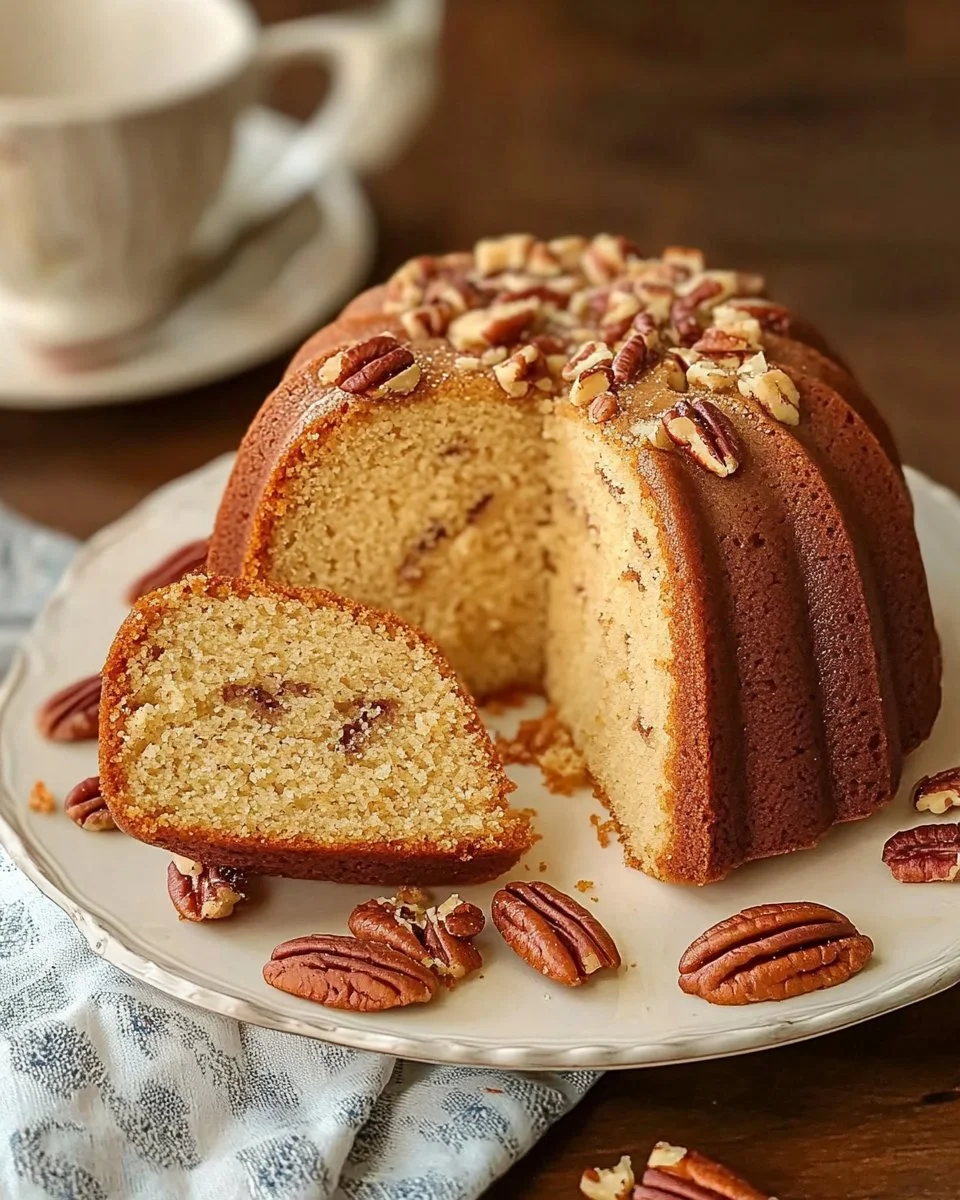
The kitchen smelled like the kind of brown sugar and butter that makes everyone pause, the kids’ homework papers scattered on the island, a soccer bag by the door, and an oven timer that would soon stop the chaos for a little while. I was stirring a bowl with one hand and unfolding a permission slip with the other, thinking that a simple cake might be the small steady thing that pulls the evening back into place. If you like easy, comforting desserts you can mostly forget about until the timer dings, you might appreciate the gentle promise in my holiday sugar cookie cheesecake fluff recipe that often lives in our rotation alongside this cake.
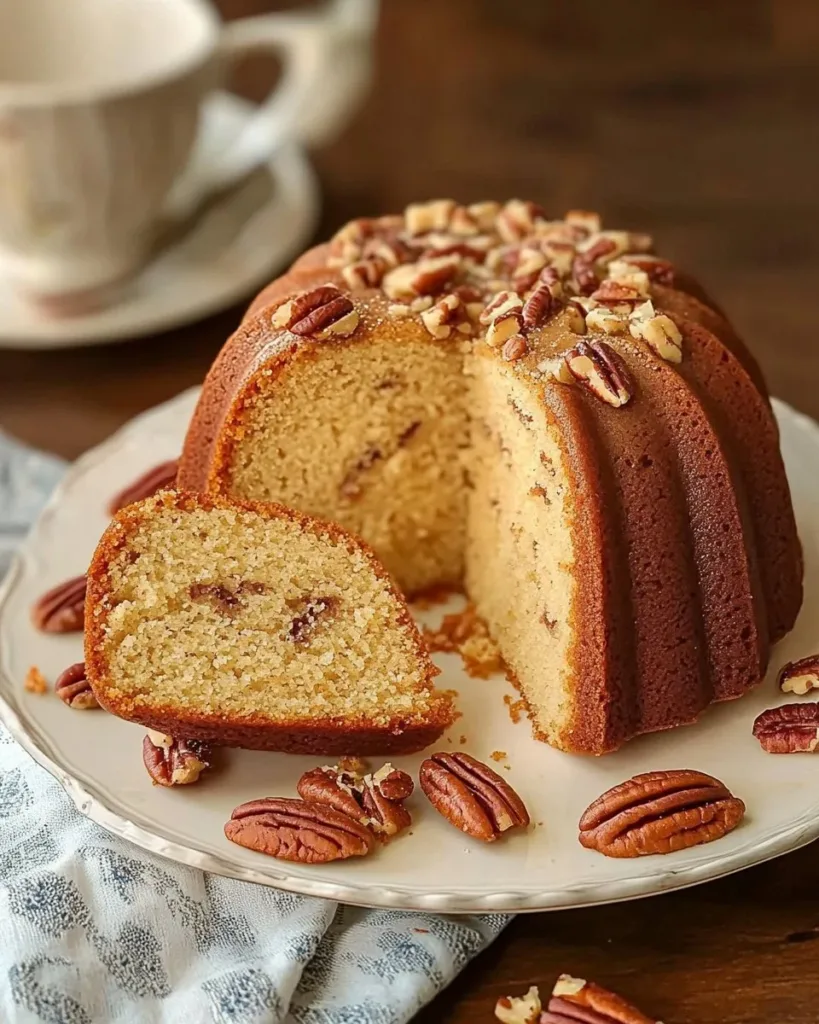
Brown Sugar Pecan Pound Cake
Ingredients
Method
- Preheat the oven to 350°F (175°C) and grease a bundt pan.
- Cream the butter and brown sugar together in a bowl until light and fluffy.
- Beat in the eggs one at a time, mixing well after each addition.
- In another bowl, whisk together the flour, baking powder, and salt.
- Gradually add the dry ingredients to the wet mixture, alternating with the vanilla extract, and mix until combined.
- Fold in the chopped pecans.
- Pour the batter into the prepared bundt pan and smooth the top.
- Bake for 60-70 minutes, or until a toothpick inserted into the center comes out clean.
- Let the cake cool in the pan for 10 minutes before inverting onto a wire rack to cool completely.
Nutrition
Notes
Tried this recipe?
Let us know how it was!Why This Brown Sugar Pecan Pound Cake Became a Staple in Our House
This cake earned its place because it is forgiving and honest. It does not demand perfect measuring, fancy tools, or a whole afternoon. It asks for a bit of time and a willingness to let the kitchen get a little messy while you do something kind for the people at your table.
I first made this for a tired afternoon when the rain had chased everyone indoors and the kids needed something that smelled like comfort more than a project. It browned in the oven while we stacked board games and refolded sweaters. When I pulled it out, the house changed in one confident, buttery breath.
Over time it became the cake I turn to when someone needs a pick-me-up, when a teacher deserves a thank-you, or when we need a no-fuss dessert after a week that went sideways. The pecans add a homey crunch and the brown sugar gives the crumb a warm, almost caramel note. It is the kind of recipe that makes the kitchen feel like the center of the day again.
This is not the cake for show. It is not glassy or staged. It is the cake you slice with a serrated knife while someone else pours the coffee and the youngest tucks a napkin under a plate. It stands up to imperfect afternoons and busy families and that is why we keep making it.
Bringing This Cake Together
“This is the part where the kitchen starts to smell like dinner is really happening.”
When I talk about bringing this cake together, I mean the small, honest cues that tell you it is on its way. You will notice the butter and brown sugar turn glossy and lighter in color as you cream them. You will feel the batter thicken as the eggs go in and the dry ingredients fold in. The pecans bring a nuttiness that you can smell even before the cake rises.
Watch for the edges of the batter to darken a little as it bakes and the top to take on a gentle brown. There is a moment when the whole kitchen seems to lift, a soft exhale that tells you dinner has turned into something you can pass around. Let the cake sit for the short resting time in the pan; it finishes gently and peels away easier when it has had that small pause.
Ingredients You’ll Need
1 cup unsalted butter, softened
1 1/2 cups brown sugar
4 large eggs
2 cups all-purpose flour
1 teaspoon baking powder
1 teaspoon vanilla extract
1/2 teaspoon salt
1 cup chopped pecans
These are pantry-friendly things most of us keep on hand. The unsalted butter helps you control the salt, which is useful if you already have salted butter and want the cake a bit sweeter for kids. The brown sugar gives depth and keeps the cake moist, and the chopped pecans give texture for people who like a little bite. If you are feeding picky eaters, the nuts can be chopped finer or placed on top so slices for younger kids can be made without them.
The list is simple because I want the recipe to feel doable after school and before bedtime, not like an event. It stretches well, which is practical when extended family drops by last minute. If you want to keep it affordable, small swaps like using whatever flour you have or buying pecans in bulk when on sale make this a steady friend to your weekly menu.
Step-by-Step Directions
Preheat the oven to 350°F (175°C) and grease a bundt pan.
Start with the oven hot so the batter goes in and gets to work right away. Grease the pan well, getting into the ridges so the cake slips out with confidence. I run a bit of butter and a dusting of flour or use a baking spray that has flour for extra peace of mind.Cream the butter and brown sugar together in a bowl until light and fluffy.
Use a hand mixer or stand mixer and take a few minutes to get air in there; the texture changes and you can see it get lighter. If you are using a wooden spoon, it will take longer but the result is still good. This step builds structure so the cake holds up to slicing.Beat in the eggs one at a time, mixing well after each addition.
Adding eggs slowly keeps the batter smooth and helps everything emulsify instead of separating. Scrape the bowl as you go so the mixture stays even in color and texture. You will notice the batter become silkier and a bit more glossy when the eggs are fully in.In another bowl, whisk together the flour, baking powder, and salt.
Whisking fluffs the flour and evenly spreads the baking powder and salt, which helps the cake rise more reliably. This is where a quick sift can help if your flour clumps. Keeping the dry mix light avoids overworking the batter later.Gradually add the dry ingredients to the wet mixture, alternating with the vanilla extract, and mix until combined.
Add a scoop of flour, then a splash of vanilla, then another scoop of flour, and so on, so the batter stays balanced and does not become heavy. Mix just until combined; you do not want to overmix or the cake will be tougher. The batter should look smooth and hold itself a little when you lift the paddle.Fold in the chopped pecans.
Use a spatula and fold gently so the nuts are distributed without deflating the batter. Stop folding once you see even speckles of nuts through the batter. The pecans will toast a little in the oven and become fragrant and crunchy.Pour the batter into the prepared bundt pan and smooth the top.
Tap the pan gently on the counter to settle the batter and release any big air pockets. Smooth the top with a spatula so the cake bakes evenly and does not dome too much. A smooth top also makes it easier to unmold cleanly.Bake for 60-70 minutes, or until a toothpick inserted into the center comes out clean.
The exact time depends on your oven and the pan you use, so start checking at 55 minutes. You want a light spring back when you press the top and the edges to pull away slightly from the pan. If the top browns too fast, tent it with a bit of foil.Let the cake cool in the pan for 10 minutes before inverting onto a wire rack to cool completely.
Ten minutes gives the cake enough time to set so it will not crack when you flip it. Run a knife carefully around the edge if it feels stubborn, then invert confidently and let the cake finish cooling. Once cooled, it slices neatly and is ready for coffee or an after-school snack.
How We Eat This Cake at Home
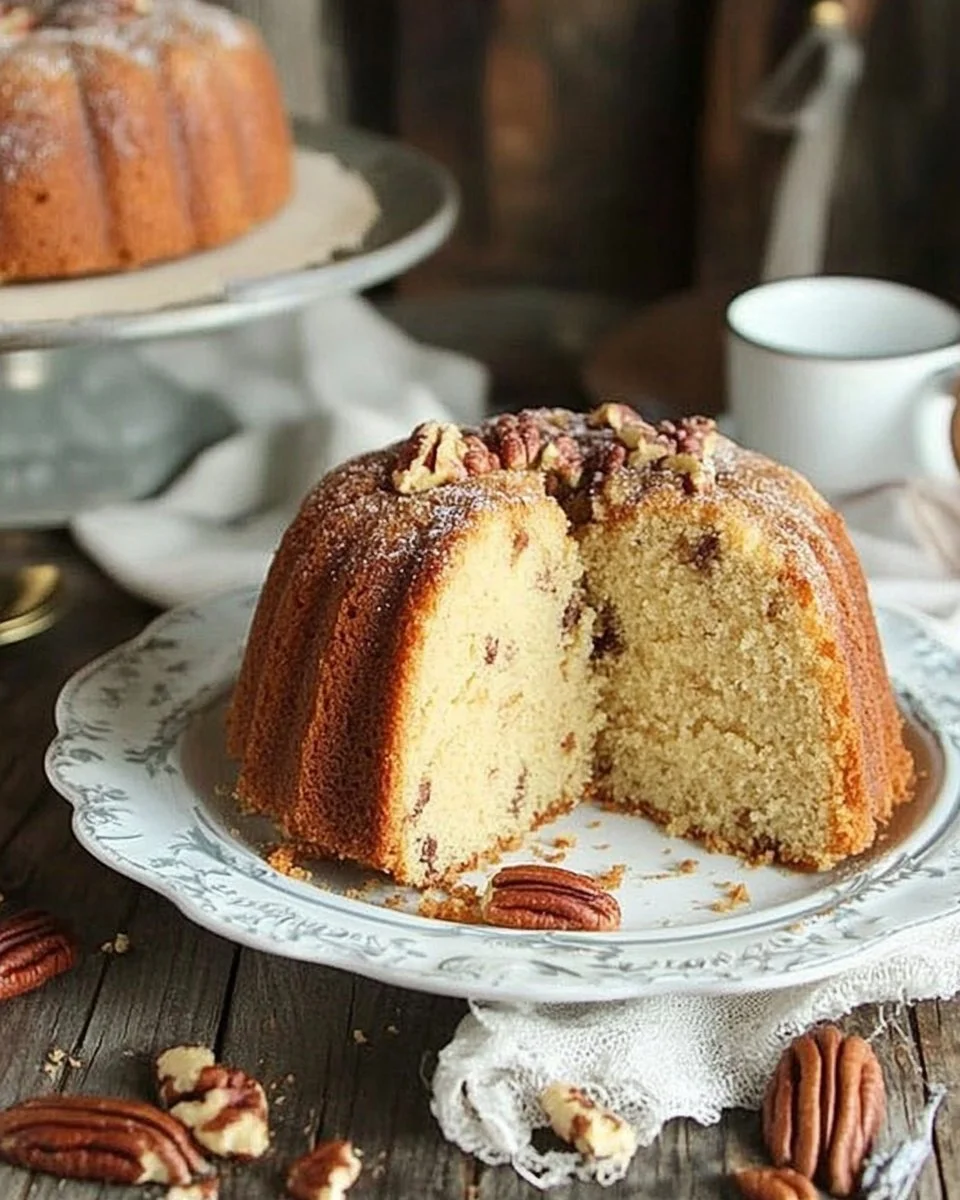
We eat this cake in whatever moment needs softening. Sometimes it is after a long Saturday of errands, sliced thick and served with a bowl of vanilla yogurt for the kids. Sometimes it is later that evening with a cup of tea and a single candle for a small celebration after someone finally cleaned their room.
On school nights it makes a quiet appearance between homework and baths. One of us will cut a few slices and leave a plate on the counter for anyone who needs a nibble. It is the kind of cake that survives a busy kitchen and still feels special when you hand a slice to a tired family member.
For guests, I leave the cake whole and let everyone help themselves. It travels well to potlucks because it does not require plates or forks if people are standing around talking. I often put a small bowl of whipped cream and a sprinkling of extra pecans nearby; it makes the cake look a touch more pulled together without much fuss.
We also sometimes use leftover slices for toast in the morning, warmed lightly in the toaster oven. A sliver with butter is an excellent little breakfast or lunchbox treat. It keeps meals flexible for families who are on the run and a little hungry at odd times.
Storing Brown Sugar Pecan Pound Cake for Busy Days
Store the cake at room temperature in a cake keeper or wrapped well in plastic wrap for up to three days. If your house is warm, pop it into the fridge in an airtight container to keep the pecans from going soft too quickly. Remember that chilling can firm the butter and change the slice texture, so let it sit at room temperature for a bit before serving if you like it tender.
If you want to make it ahead for a weeknight rescue, slice and freeze individual slices on a tray, then wrap them. They thaw quickly at room temperature or can be warmed on a low oven rack for a few minutes. This makes weekday desserts easy when calendars get crowded.
Leftovers often taste better the next day as the flavors merge. The brown sugar note deepens overnight and the crumb feels moister. I keep a small container of sliced cake tucked in the freezer because it rescues many rushed mornings and late-night cravings.
Clara’s Kitchen Notes
H3: Little Things That Help
Keep your butter at room temperature so it creams easily. If you forget, cut it into small pieces and let it sit for 10 minutes while you gather your bowls and measure the sugar. A little patience here saves time when you are trying to get dinner on the table.
H3: Shortcuts I Use When Time Is Tight
I sometimes use pre-chopped pecans or give them a rough chop on a cutting board if the kids are impatient. The flavor is the same and the mess is manageable. I also occasionally beat by hand when the mixer is in use for dinner prep; your arm will get a workout but the cake will still be cozy and good.
H3: Substitutions That Keep Things Simple
Swap half the brown sugar for white granulated sugar if you like a lighter caramel note. You can also swap the pecans for walnuts if that is what you have on hand, and the cake will be familiar and comforting. If you need a nut-free version for school or a friend, leave the nuts out and consider a sprinkle of cinnamon on top.
H3: Cleanup and Saving Time
Line the bundt pan with a thin layer of butter and flour, and the cleanup is easier after the cake is out. Wipe down your mixer and bowls as the cake bakes and you will thank yourself later. I find that a tidy counter makes the next meal less stressful.
H3: When the Cake Doesn’t Look Quite Right
If the cake collapses a bit in the center, wait until it cools and slice around the issue to make even servings. Often the flavor is unaffected. If the top gets too dark, tent with foil partway through baking; the inside will still bake through and the top will stay tender.
Family Variations That Work
We change this cake based on the season and what the kids request. In early fall I stir in a teaspoon of cinnamon and a pinch of nutmeg for a spiced version that pairs well with apple slices. For a summer twist I fold in a half cup of chopped dried apricots or cranberries for a chewier texture that kids like.
For birthdays or small celebrations, I place the cake on a platter and drizzle a simple glaze of powdered sugar mixed with milk. It turns a family snack into something that feels a little more like a party without a lot of extra work. When we have unexpected guests I sometimes top the slices with a scoop of ice cream for an instant dessert.
If you need to keep things nut-free for school or playdates, leave out the pecans and press a few thin apple slices on top before baking for a pretty, safe change. For a richer twist, brown the butter before using it; the nutty browned flavor pairs nicely with the brown sugar and gives the cake a slightly deeper color.
These small changes are practical, not precious. They help the cake fit into our life rather than asking our life to fit around the cake.
FAQs About This Cake
Can I make this ahead of time?
Yes. Make the cake the day before you need it and store it covered at room temperature. The flavor settles and can taste even better the next day, making it a convenient choice for busy evenings.
Can I freeze slices?
Yes, slices freeze well. Freeze them individually on a tray, then wrap them in plastic and tuck them into a container for up to two months. Thaw at room temperature or warm gently in the oven before serving.
What if I do not have a bundt pan?
You can bake this in a regular loaf pan or two smaller pans. The bake time will change, so start checking earlier and watch for that clean toothpick test. Smaller pans will bake faster and can be easier to slice for snacks.
How do I know when it is done?
A toothpick in the center should come out clean or with a few moist crumbs. The cake should spring back slightly when pressed and the edges may pull away from the pan. If the top browns too quickly but the center is not set, cover it lightly with foil and finish baking.
Can I make this dairy free?
You can substitute a dairy-free butter for the same measure and follow the recipe as written. The texture may vary a little but the cake will still be comforting and sweet.
Serving Ideas and Pairings
We sometimes serve the cake with simple toppings like whipped cream, a spoonful of jam, or a smear of ricotta. For mornings I like it with plain yogurt and a drizzle of honey. For a small celebration I warm slices and serve with ice cream and extra pecans for crunch.
When friends come over for coffee, I slice it thin so everyone can try a piece. It pairs well with strong coffee, tea, or a cold glass of milk for kids. If I am bringing it to a potluck, I sometimes pack a small container of whipped cream to go alongside so people can choose how they want to eat it.
For a hands-off dessert, plate it on a cutting board with a small knife and let people serve themselves. There is comfort in letting the house breathe while everyone gathers a slice and tells the small stories of their day.
I also sometimes use this cake as a base for a trifle-like assembly. I cut slices into cubes and layer them with berries and whipped cream in a large bowl. It is not pretty, but it feeds a crowd and tastes like the best kind of kitchen work that is meant to be shared with a motley crew of family and friends. It reminds me that a simple cake can do a lot of work when nights are busy, much like the birthday trifle cake I use for other get-togethers.
What to Expect When Baking This in Real Kitchens
Ovens vary, pans vary, and days vary. Sometimes the top will brown earlier than you expect, and that is okay. Tent with foil and let the center catch up. Sometimes I forget the eggs at room temperature and the batter takes a little longer to come together, but the cake often forgives these small lapses.
Expect crumbs. Expect a few pecans to fall from the pan when you slice and call it character. Expect that someone will steal a warm corner piece before dinner and that you will smile and let them have it. These are the kitchen truths that make the cake feel lived in rather than perfect.
If you are new to baking, this is a gentle recipe to practice with because it allows for small mistakes. You will learn your oven’s rhythms and the feel of a batter that is mixed enough but not overdone. The more you make it, the more it will feel like an old friend.
A Final Thought
For something a little more indulgent, try the rich No-Bake Christmas Cheesecake Bites or the silky Pumpkin Mascarpone Pie. And if you’re craving fun, comforting flavors, Fluffernutter Pie, Maple Buttermilk Pie, and festive Candy Cane Whipped Shortbread are always family favorites.You can also find me sharing everyday baking moments, family favorites, and quiet kitchen rituals over on Pinterest and Facebook, where I love connecting with fellow home bakers. Whether you’re baking for a celebration or a slow morning at home, I’m so glad you’re here, and I hope these recipes keep your kitchen warm, familiar, and full of love.
