
My grandmother had a soursop tree in her yard that she treated like a member of the family. She never wasted a single leaf. Whenever anyone came down with a fever or just needed something calming before bed, she would head outside, pick a few dry leaves, and have a pot simmering within minutes. The smell was woody and quiet, not quite like anything else I know. I did not really understand what she was doing back then. Now, years later, I find myself making soursop leaf tea for the exact same reasons she did, and every cup feels like a small inheritance.
In this article I will walk you through everything that matters: the real benefits of soursop leaf tea, how to make it properly at home, who should be careful with it, and what the research actually says. No hype, just what I have learned from years of brewing it and reading around it.
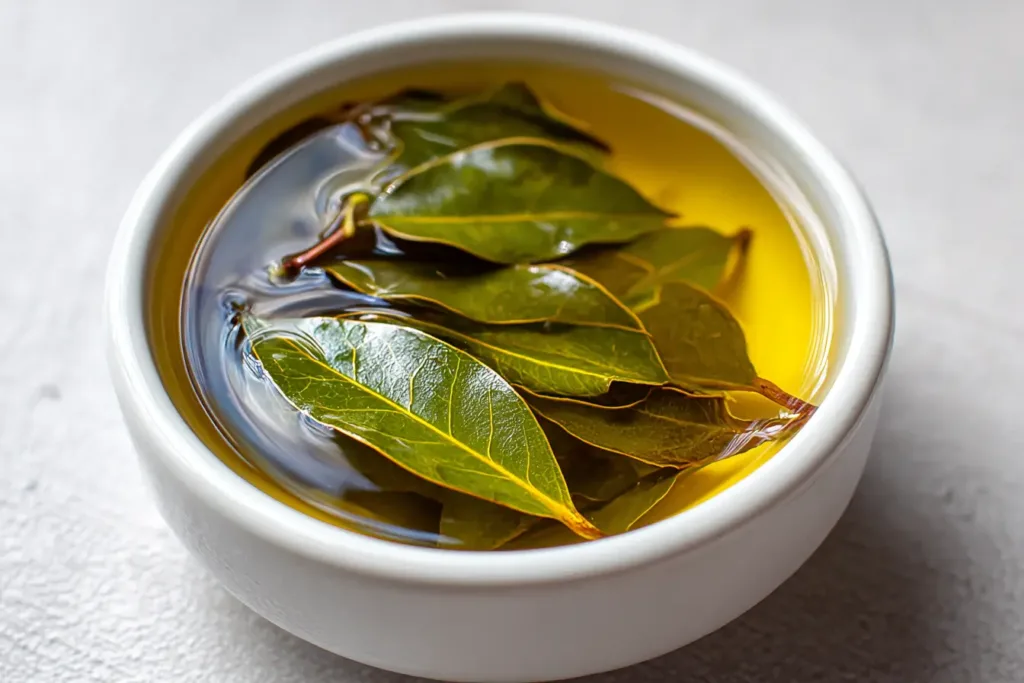
Key Takeaways
- Soursop leaf tea is rich in antioxidants including Vitamin C, flavonoids, and tannins that support immunity.
- It has been traditionally used for blood pressure, inflammation, digestion, and sleep.
- Dry soursop leaves make a stronger, more potent brew than fresh ones.
- Moderate daily consumption is generally considered safe for healthy adults.
- Pregnant women, people on blood pressure medication, and those with kidney conditions should consult a doctor first.
- The tea has a pleasant woody taste, mellow and easy to drink with a touch of honey.
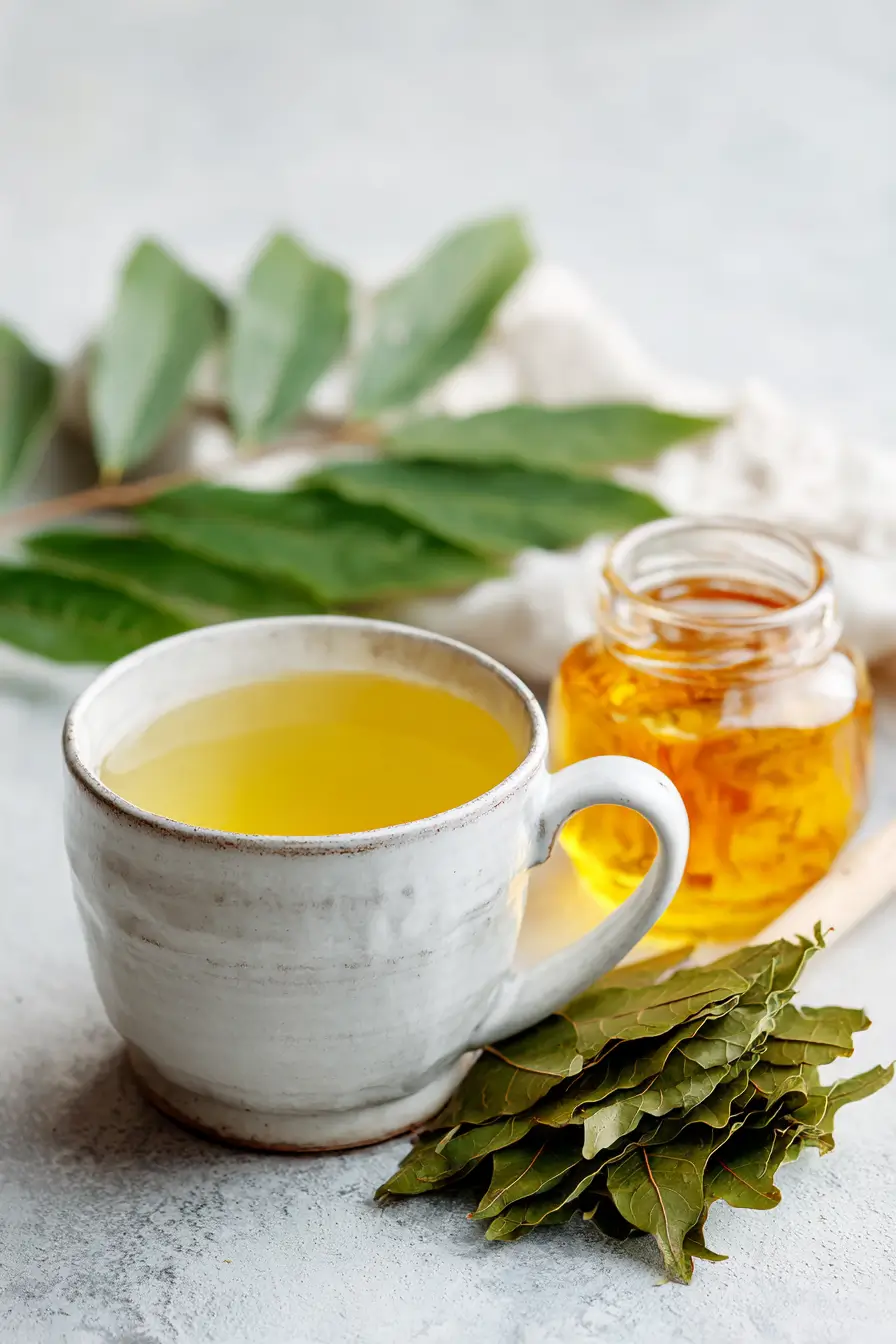
Soursop Leaf Tea
Ingredients
Method
- Rinse the dry soursop leaves under cool running water to remove any dust.
- Place the leaves into a small pot or teapot and add room temperature water.
- Bring the water and leaves to a boil over medium heat.
- Once boiling, let the tea simmer for 3 to 5 minutes depending on desired strength.
- Turn off the heat and allow the leaves to steep in the hot water for 10 minutes.
- Strain the tea into a cup.
- Add honey if desired and stir well.
- Serve warm, or let cool and refrigerate for a cold version.
Nutrition
Notes
Tried this recipe?
Let us know how it was!Why You Will Love Soursop Leaf Tea
Most herbal teas demand you compromise somewhere, usually on flavor. Soursop leaf tea does not. It has a naturally pleasant, slightly woody taste that sits somewhere between black tea and a mild green tea, without the bitterness. A small spoon of raw honey is the only thing it needs, and even that is optional.
It is also one of the most accessible herbal teas you can make. Three dry leaves, some water, fifteen minutes. That is the whole recipe. You do not need a special kettle or a particular technique. It is the kind of thing you can make on a Monday morning before the day starts, or at 9pm when you need to wind down.
And then there are the benefits of soursop leaf tea, which are genuinely worth knowing about. This is not a trendy wellness ingredient that appeared last year. Caribbean and South American communities have been using soursop leaves medicinally for generations. That long track record means something.
Soursop Leaf Tea Ingredients and Why They Matter
You only need three things for a proper cup of soursop leaf tea. That simplicity is part of what makes it such an easy habit to build.
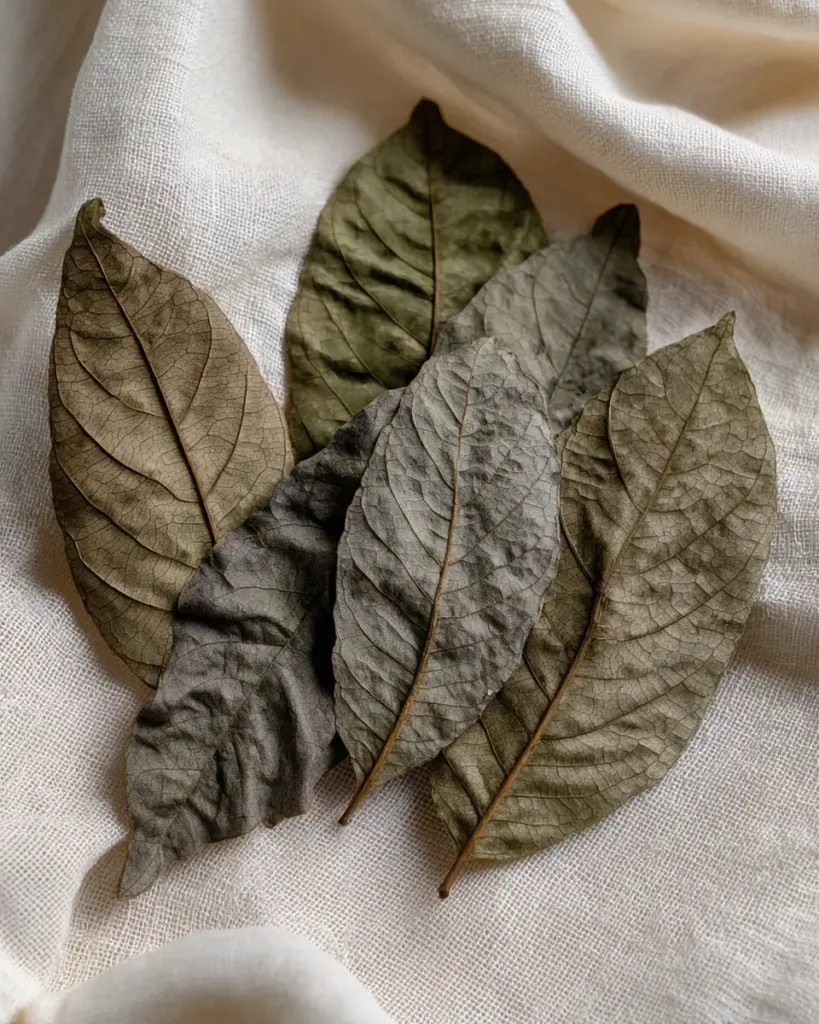
Dry Soursop Leaves
Fresh leaves will work in a pinch, but dry leaves make more potent tea. Drying concentrates the active compounds and requires fewer leaves per cup. To dry them yourself, wash the green leaves and spread them on a mesh rack in a cool, shaded spot away from direct sun. They will be ready in about a week. Direct sunlight degrades some of the nutrients, so patience here really does matter.
You can also buy organic soursop leaf tea bags or loose dry leaves online, which is convenient if you do not have access to the tree. Look for leaves that are dark green-brown and smell faintly earthy when crushed, not dusty or stale.
Water
Room temperature water is fine to start. You will bring it to a boil in the pot with the leaves, which is slightly different from most teas where you boil the water first and then steep. The leaves go in cold and come up to temperature with the water. This slow climb seems to extract the flavor more gently.
Honey
Raw honey is the traditional sweetener for this tea and it does more than add sweetness. It carries its own mild antimicrobial properties and softens the earthy notes in the leaf. A half tablespoon per cup is usually plenty. If you are watching sugar intake, the tea is genuinely pleasant without any sweetener at all once you get used to it.
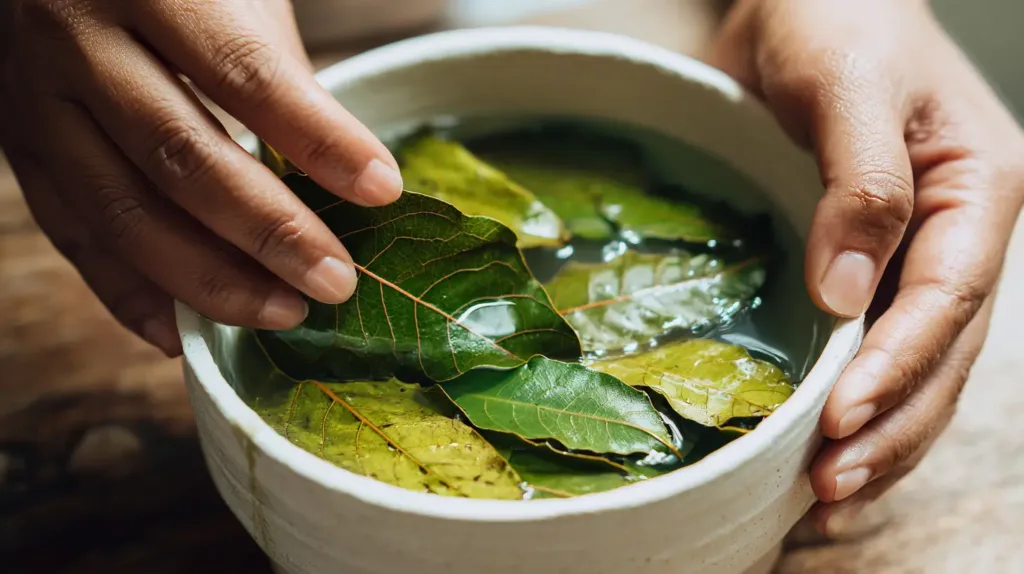
How to Make Soursop Leaf Tea: Step by Step Recipe
This recipe makes one serving. Scale up by simply adding one additional leaf and 320ml of water per extra cup.
What You Need
- 3 to 4 dry soursop leaves (use 5 for a stronger brew)
- 320 ml water (about 1⅓ cups)
- ½ tablespoon raw honey, or to taste
Instructions
Rinse the dry leaves under cool running water to remove any dust, then place them directly into a small pot or teapot. Add the room temperature water. Do not boil the water separately first, let the leaves and water heat together.
Set the pot over medium heat and bring everything to a boil. Once you see a steady boil, let the tea brew for 3 to 5 minutes. Longer brewing will give you a deeper, more intense flavor and a darker color. For a lighter everyday cup, 3 minutes is enough.
Turn the heat off and leave the leaves to steep in the hot water for 10 minutes. This steeping phase is where a lot of the final flavor develops, so do not rush it.
Strain into your cup and sweeten with honey if you like. Drink it while it is warm for the best taste and the most comforting experience. If you want it cold, let it cool to room temperature and then refrigerate. It keeps well for up to three days.
Soursop Leaf Tea Benefits: What the Research Says
The benefits of soursop leaf tea come from its high concentration of phytochemicals. The leaves contain acetogenins, alkaloids, flavonoids, tannins, and Vitamin C. Each of these contributes something different to how the tea affects the body.
Rich in Antioxidants
Antioxidants in soursop leaves help neutralize free radicals in the body, which are linked to aging and chronic disease. The combination of Vitamin C, flavonoids, and tannins makes soursop leaf tea a genuinely strong antioxidant drink. Compared to plain black tea, which is the most common everyday antioxidant drink, soursop leaves hold their own.
May Support a Healthy Immune System
Traditional use across Jamaica and the Caribbean has long included soursop leaf tea as a daily immunity booster, especially during cold and flu season. The Vitamin C content supports white blood cell function and the flavonoids add anti-inflammatory support. It is not a cure for anything, but as a daily habit it contributes meaningfully to overall resilience.
Soursop Leaf Tea Benefits for Inflammation
Chronic low-grade inflammation is behind a long list of modern health problems, from joint pain to digestive discomfort. Soursop leaves contain compounds with documented anti-inflammatory activity. Drinking the tea regularly may help keep inflammation in check, particularly for people dealing with conditions like arthritis or general joint stiffness.
Soursop Leaf Tea Good for Diabetes Management
Several studies have looked at soursop leaf extract and blood sugar regulation. The findings are promising. Certain compounds in the leaves appear to inhibit enzymes involved in glucose metabolism, which may help slow the spike in blood sugar after meals. If you are managing blood glucose levels, soursop leaf tea good for diabetes is one of the more researched claims attached to this tea, though it should always be used alongside, never instead of, medical treatment.
For more information on teas that support metabolic health, take a look at our guide to Costa Rican tea recipe for weight loss, which covers similar herbal traditions from a different part of the Caribbean basin.
May Help with Blood Pressure
Hypertension is one of the conditions soursop leaves are most traditionally used for. The leaves appear to have mild vasodilatory effects, meaning they may help relax blood vessels and reduce pressure. If you are already on blood pressure medication, talk to your doctor before adding this tea regularly, as there is a real possibility of interaction.
Supports Digestion
Soursop leaf tea has traditionally been used for stomach upsets, including constipation and bloating. The tannins in the leaves have an astringent effect that can help calm irritated gut lining. It is not a heavy medicinal dose, just a gentle, daily nudge toward better digestive function.
If you enjoy herbal teas for digestion, you might also like our ginger detox tea, which pairs well with soursop tea as part of a weekly wellness routine.
Calming and Sleep Support
One of the quieter benefits of soursop leaf tea that does not get talked about as much is its effect on sleep. Many people drink it in the evening specifically because it has a mild sedative quality. It is not strong enough to knock you out, but it takes the edge off a restless mind. I make a cup about an hour before bed and it has become one of my favorite parts of the day.
A 2020 review published on PubMed Central (NCBI) examined the bioactive compounds in Annona muricata leaves and documented antioxidant, anti-inflammatory, and antidiabetic activity across multiple laboratory studies.
Top Health Benefits of Soursop Leaf Tea
Soursop Leaf Tea Tips, Variations and Storage
Tips for the Best Brew
The most common mistake is not letting the tea steep long enough after boiling. Those 10 minutes off the heat are not optional. That is when the deeper compounds extract into the water. Skipping the steep gives you a pale, flat cup.
Use a small covered pot if you have one. Keeping a lid on during the steep holds the heat in and prevents volatile aromatic compounds from escaping with the steam. It makes a noticeable difference in the final flavor.
If your dry leaves smell musty rather than earthy, they have gone past their best. Fresh-dried leaves should smell faintly like dried herbs, clean and woody. Replace them if they smell stale.
Variations Worth Trying
Add a thin slice of fresh ginger to the pot for a warming, spiced version that is especially good in winter. The ginger adds a little heat and complements the woody note of the soursop beautifully.
A squeeze of lemon just before drinking brightens the whole cup and adds extra Vitamin C. Start with just a small squeeze and adjust to taste.
For a calming evening version, add a small pinch of dried chamomile or a cinnamon stick to the pot. Both pair naturally with soursop leaf without competing with it.
Soursop leaf tea with turmeric is another combination worth trying if you are making it for anti-inflammatory reasons. Just a quarter teaspoon of ground turmeric stirred into the strained tea, with a tiny pinch of black pepper to activate the curcumin.
For another powerful anti-inflammatory tea combination, our turmeric ginger green tea is one of the most requested recipes on YourDailyTaste and follows a similar principle.
Storage
Brewed soursop leaf tea keeps in the refrigerator for up to three days in a sealed jar or bottle. Drink it cold over ice or gently reheat it on the stovetop, not in the microwave, which seems to flatten the flavor.
Dry soursop leaves store well in an airtight container kept away from heat and light. A glass jar in a kitchen cupboard works perfectly. They will stay potent for several months.
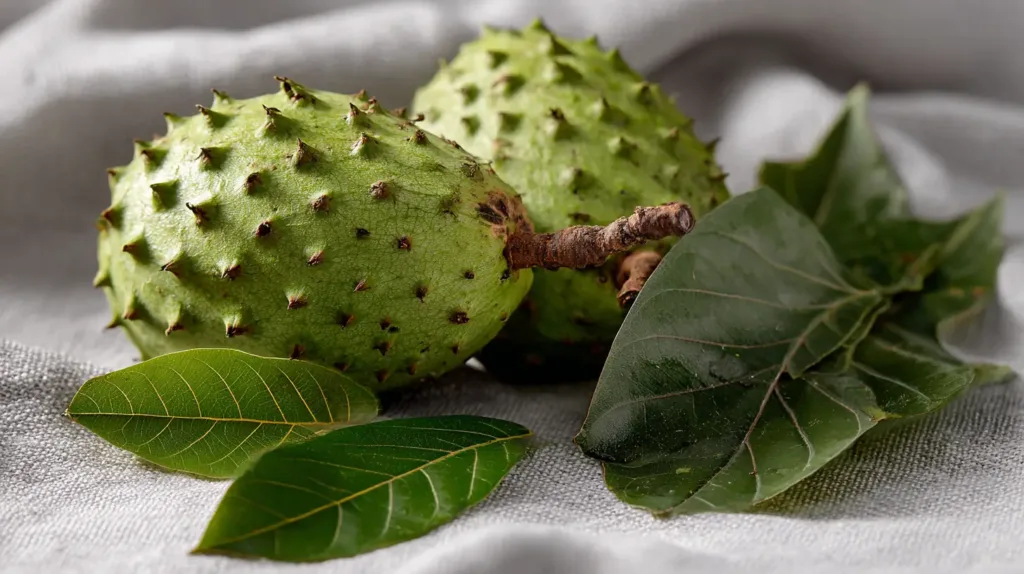
Soursop Leaf Tea Side Effects: What to Know
Soursop leaf tea side effects are real and worth knowing before you start drinking it regularly. This is not a tea to be afraid of, but it is a potent herbal preparation and deserves the same respect you would give any concentrated plant medicine.
Blood Pressure Interactions
Because soursop leaves may lower blood pressure, people already taking antihypertensive medication should proceed carefully. The combination could lower blood pressure further than intended. A conversation with your doctor before adding this to a daily routine is genuinely recommended, not just a legal disclaimer.
Neurological Caution with Long-Term Heavy Use
Some research has raised concerns about annonacin, a compound found in soursop plants, and its potential link to a form of atypical Parkinsonism when consumed in very high amounts over many years. This concern applies most strongly to populations in the Caribbean who consume multiple soursop products daily over a lifetime. For a cup or two of tea a few times a week, the risk appears negligible, but it is worth being aware of.
Pregnancy
Soursop leaf tea is not recommended during pregnancy. The compounds in the leaves may stimulate uterine contractions. If you are pregnant or trying to conceive, hold off on this tea until after delivery and speak with your midwife or doctor.
Kidney and Liver Conditions
High consumption of soursop products has occasionally been linked to liver and kidney strain in people with existing conditions. If you have any kidney or liver issues, keep intake moderate and check with your healthcare provider.
For a broader overview of soursop health benefits and safety, Healthline’s soursop guide covers the nutritional profile and clinical research in accessible detail.

What Is the Best Time to Drink Soursop Leaf Tea
There is no single right answer, it really depends on what you are using the tea for. Here is how I think about it.
Morning, on an empty stomach, is best if your main goal is metabolic support, blood sugar regulation, or digestion. The tea is absorbed quickly when your stomach is empty, and many of the active compounds appear to work best before meals.
Evening, about an hour before bed, is the right time if you are drinking it for sleep support or to manage stress. The mild sedative quality settles into the body slowly, and going to bed shortly after gives it the best chance to work.
Midday is perfectly fine for general wellness and immunity. It is not so stimulating that it will interfere with sleep, and not so calming that it will make you drowsy during the afternoon.
Most practitioners who work with soursop leaf tea suggest one to two cups per day as the sweet spot. Enough to feel the benefits without any risk of overconsumption.
If you are building a morning wellness routine around herbal teas, our hibiscus tea recipe is another beautiful option to rotate in alongside soursop leaf tea.
Frequently Asked Questions About Soursop Leaf Tea
What is soursop leaf tea good for?
Soursop leaf tea is primarily valued for its antioxidant and anti-inflammatory properties. It has been traditionally used to support immunity, improve digestion, help regulate blood pressure, and promote calmer sleep. There is also growing research interest in its potential role in blood sugar regulation, making soursop leaf tea good for diabetes a frequently searched topic. The tea does not cure disease, but as a daily herbal supplement it addresses several aspects of wellness at once.
What is the best time to drink soursop leaf tea?
The best time depends on your goal. Drink it in the morning on an empty stomach if you are focused on metabolic or digestive support. Drink it an hour before bed if you want the calming, sleep-supporting effect. For general immunity and antioxidant benefits, timing matters less and any time of day works. One to two cups daily is the recommended amount.
What are the side effects of soursop leaf tea?
The main soursop leaf tea side effects to be aware of involve interactions with blood pressure medication, as the tea may amplify the effect. Pregnant women should avoid it entirely due to the risk of uterine stimulation. Long-term, very high consumption has been studied in relation to neurological effects in populations who consume many soursop products daily, though moderate tea drinking does not appear to carry the same risk. Anyone with kidney or liver conditions should consult their doctor before drinking it regularly.
What illnesses has soursop been known to treat?
Soursop has a long history of traditional use for fevers, infections, hypertension, stomach complaints, and general fatigue. Laboratory research has investigated soursop compounds for their potential anti-tumor, antimicrobial, and antidiabetic properties. It is worth noting that much of this research is at the laboratory or animal study stage. Soursop is not a medically approved treatment for any condition, but it has genuine traditional and research-backed credibility as a supportive herbal remedy.
A Final Word From My Kitchen
Soursop leaf tea does not need any fanfare. It has been doing its quiet work in Caribbean kitchens for generations, long before wellness became an industry. There is something grounding about that.
Whether you are making it for the antioxidants, for help sleeping, for blood sugar support, or simply because you are curious about an ingredient your grandmother might have known, I think you will find it becomes a comfortable ritual fairly quickly. It is a gentle tea with real depth.
Start with three dry leaves. Boil, steep, strain, sweeten if you like. That is really all there is to it. Give it two weeks of daily use before you judge it, because herbal teas tend to build up quietly rather than knock you over immediately.
If you make it and have thoughts, I would genuinely love to hear from you in the comments. And if you are already a longtime soursop drinker, share your variation. There are always ways to make a good cup even better.
This article is for informational purposes only and is not intended as medical advice. Soursop leaf tea has traditional uses, but its effects may vary from person to person. Always consult with a qualified healthcare professional before adding any herbal remedy to your routine, especially if you are pregnant, nursing, taking medication, or have existing health conditions.
