
I started drinking cinnamon water Benefits almost by accident. One morning, a jar of cinnamon sticks was sitting on my counter and I had run out of tea bags. I dropped one stick into hot water, waited ten minutes, and took a sip expecting nothing special. What I got was something warm, gently spiced, and oddly calming. I kept making it.
A few weeks in, I noticed my digestion felt steadier, my skin looked clearer, and my mornings felt a little easier to get through. I am not saying cinnamon water is magic. But I do think it earns its place in a daily routine, and I want to share exactly what I have learned about the real cinnamon water benefits so you can decide for yourself.

Key Takeaways About Cinnamon Water Benefits
Before we go deep, here are the most important things to keep in mind as you read through this article:
- Ceylon cinnamon is the safer choice for daily drinking. Cassia cinnamon has higher coumarin levels that can stress the liver over time.
- Drinking cinnamon water Benefits on an empty stomach in the morning may offer the best metabolic and digestive support.
- The benefits are real but gradual. Think weeks, not days.
- One cup per day is enough. More is not better.
- Always talk to your doctor if you take blood thinners or medication for diabetes before making cinnamon water a daily habit.

Cinnamon Water
Ingredients
Method
- Bring water to a boil or heat until very hot.
- Add the cinnamon stick to the hot water (or stir in ground cinnamon).
- Let it steep for 10–15 minutes to allow the flavor and beneficial compounds to infuse.
- Remove the cinnamon stick (if using) or allow sediment to settle if using ground cinnamon.
- Drink warm, preferably on an empty stomach in the morning or before bed.
Nutrition
Notes
Tried this recipe?
Let us know how it was!What Are the Benefits for Your Body?
Cinnamon has been used in traditional medicine for thousands of years, and there is now a solid body of modern research backing up many of those uses. When you steep cinnamon in water, the active compounds—primarily cinnamaldehyde and various polyphenols—dissolve into the liquid and become easier for your body to absorb than eating cinnamon dry.
The core cinnamon water health benefits that appear most consistently in both research and real‑life experience include better blood sugar regulation, reduced inflammation, improved digestion, and antioxidant protection. What surprised me most when I started researching this was how many of those benefits ripple out into areas I did not expect, including skin, hair, hormones, and kidney function.
Let me walk you through each one so you know exactly what you are getting into.
cinnamon water Benefits for Skin
One of the most consistent things people notice after a few weeks of drinking cinnamon water is a change in their skin. It does not happen overnight, and it is subtle at first. But there is a reason cinnamon water Benefits for skin keep showing up in conversations about natural wellness routines.
Cinnamon is rich in antioxidants, which help fight oxidative stress at a cellular level. Oxidative stress is one of the main drivers of premature aging, dullness, and inflammation in the skin. When you drink cinnamon water regularly, you are giving your body a steady supply of those antioxidants from the inside out.
Cinnamon also has natural antimicrobial properties. For people who struggle with breakouts or cystic acne that seems tied to diet and inflammation, adding cinnamon water to the morning routine has made a real difference for many. I cannot promise your skin will clear up, because everyone is different. But it is worth trying for a few weeks and paying attention.
If you enjoy making wellness-forward treats alongside your routine, you might also love these green tea lemon ginger gummies from the site, another gentle way to get antioxidants into your day.

Female Health and Hormones
This is one of the areas where cinnamon water Benefits for female health are genuinely interesting. Cinnamon has been studied for its potential to support hormonal balance, particularly in women dealing with PCOS (polycystic ovary syndrome) or irregular periods.
One reason is cinnamon’s effect on insulin sensitivity. PCOS is closely linked to insulin resistance, and improving how your body responds to insulin can have a downstream effect on hormone regulation. A small but promising amount of research suggests cinnamon may help in this area, though it is not a replacement for medical treatment.
The cinnamon water Benefits for periods are also worth mentioning. Some women find that cinnamon water helps reduce cramping and bloating during their cycle. Cinnamon has mild anti‑inflammatory and antispasmodic properties, which may help relax the uterine muscles that cause period pain. I would not call it a cure, but it is a gentle, food‑based support that many women find helpful.
Warm water with cinnamon benefits tend to be felt more strongly than cold cinnamon water, especially for hormonal and cycle‑related purposes. If you can drink it warm, that is the better choice.
Cinnamon Water Benefits on Empty Stomach
Drinking cinnamon water on an empty stomach in the morning is one of the most talked‑about ways to use it, and for good reason. When your stomach is empty, absorption is faster and more direct. The active compounds in cinnamon get to work on digestion, blood sugar, and metabolism before anything else gets in the way.
A lot of people who follow this routine report feeling less bloated throughout the day and having steadier energy in the first few hours of the morning. That steadier energy is likely connected to cinnamon’s effect on blood sugar. Without breakfast in your system, cinnamon water can help set a more balanced glucose baseline for the hours ahead.
I drink mine about fifteen minutes before breakfast. Half a cup is enough to get the benefit without making my stomach feel heavy before eating. If you are someone who exercises in the morning, having cinnamon water before your workout is also a reasonable choice since it may help with fat metabolism during light to moderate exercise.
If you like starting your mornings with something nutritious, you might enjoy pairing this habit with our high-protein coffee smoothie, a great way to add fuel without losing the benefits of your cinnamon water routine.

Why Cinnamon Water Shines at Night
There is a separate and genuinely compelling case for drinking cinnamon water at night. Cinnamon benefits at night center mostly around blood sugar control during sleep, relaxation, and overnight metabolic support.
When you sleep, your body goes into a fasting state for several hours. If your blood sugar is unstable going into sleep, you might wake up feeling groggy, experience night sweats, or feel hungry at 3 a.m. A small cup of warm cinnamon water before bed may help stabilize that overnight blood sugar curve.
There is also something genuinely calming about warm cinnamon water in the evening. The warmth, the faint sweetness, the slight spice. It signals to your body that the day is winding down. I find it much easier to fall asleep after drinking it than after scrolling through my phone with a glass of cold water. That sounds small, but small habits add up.
For a complete evening wind-down routine, you might also enjoy making our homemade digestive gummies with ginger and fennel. They pair beautifully with a cup of cinnamon water before bed.
Does Cinnamon Reduce Blood Sugar? What the Research Says
This is probably the most researched benefit of cinnamon overall, and the short answer is yes, cinnamon can help reduce blood sugar, but context matters a lot.
Several clinical studies have shown that cinnamon can improve insulin sensitivity and lower fasting blood glucose levels in people with type 2 diabetes and prediabetes. The effect is meaningful but modest. Cinnamon is not a replacement for medication or a medically supervised diet. What it can do is contribute to better overall blood sugar management as part of a healthy lifestyle.
Drinking cinnamon water makes it easier to get a consistent daily dose of cinnamon without having to add it to food every single day. For people monitoring their blood sugar, this is a simple and low‑effort way to include cinnamon’s benefits regularly. Healthline has a well-sourced breakdown of cinnamon’s effects on blood sugar that is worth reading if you want to go deeper on the science.
One thing to be careful about: if you are already taking medication to lower blood sugar, adding cinnamon water could push your levels too low. That is not common, but it is worth discussing with your doctor before starting.
Cinnamon water Benefits for Hair
The cinnamon water Benefits for hair are more indirect than the skin or blood sugar benefits, but they are real. Cinnamon is a natural vasodilator, which means it can help improve circulation. Better scalp circulation means more blood flow to the hair follicles, and better‑nourished follicles tend to grow stronger, healthier hair.
Drinking cinnamon water regularly contributes to this from the inside. You are not applying anything topically. You are just improving the internal conditions that support hair growth. For people who deal with thinning or slow growth, this kind of internal support can complement whatever else they are doing for their hair.
Cinnamon is also anti‑inflammatory, which matters because scalp inflammation is one of the lesser‑known contributors to hair loss. Reducing systemic inflammation through diet and drinks like cinnamon water is a long‑term strategy, not a quick fix. But it is a solid one.
Benefits for Kidney Health
The cinnamon water Benefits for kidney health are an area where I want to be careful and honest. There is some promising early research suggesting that cinnamon’s antioxidant and anti-inflammatory properties may help protect kidney tissue from oxidative damage. However, this research is mostly in early stages and has not been confirmed in large human trials.
What we can say with more confidence is that staying consistently hydrated with something you actually enjoy drinking supports kidney function in a basic but important way. Many people drink more fluid when they have added a bit of flavor or warmth to their water. If cinnamon water helps you hit your daily hydration goals, your kidneys will benefit from that alone.
One caution: coumarin, which is found in high amounts in Cassia cinnamon (the most common supermarket variety), can be harmful to the liver and kidneys in large amounts. This is why choosing Ceylon cinnamon for daily drinking is so important. It contains dramatically lower levels of coumarin and is considered much safer for regular use. This peer-reviewed study on cinnamon and coumarin from the National Institutes of Health explains the difference in detail.
| Benefit | What it does | Best time to drink | Evidence | Who benefits most |
|---|---|---|---|---|
| Blood sugar control | Improves insulin sensitivity and may lower fasting glucose levels | Morning on empty stomach or before meals | Strong | People with prediabetes or type 2 diabetes |
| Skin health | Antioxidants fight oxidative stress; antimicrobial properties may reduce breakouts | Morning, daily consistency matters most | Moderate | Those with inflammation-related acne or dull skin |
| Hormone balance | Supports insulin sensitivity, which can ease PCOS symptoms and irregular cycles | Morning on empty stomach | Moderate | Women with PCOS or hormonal imbalances |
| Period pain relief | Anti-inflammatory and antispasmodic properties may ease cramping and bloating | Warm, throughout the day during cycle | Moderate | Women with painful or irregular periods |
| Digestion | Stimulates digestive enzymes and reduces bloating and gas | Morning on empty stomach or after meals | Strong | Anyone with sluggish digestion or bloating |
| Sleep support | Stabilizes overnight blood sugar and promotes calm before bed | 30 minutes before sleep | Emerging | People with restless sleep or night hunger |
| Hair growth | Improves scalp circulation via vasodilation; reduces follicle inflammation | Daily, morning preferred | Emerging | Those with thinning hair or slow growth |
| Kidney support | Antioxidants may protect kidney tissue; hydration supports daily function | Any time, consistent hydration matters | Emerging | Anyone supporting long-term kidney health |
| Anti-inflammation | Cinnamaldehyde lowers inflammatory markers throughout the body | Morning or evening, daily use | Strong | People with chronic inflammation or joint discomfort |
| Metabolism boost | May support fat metabolism during exercise and help with weight management | Before morning exercise or breakfast | Moderate | Those working on weight loss or body composition |
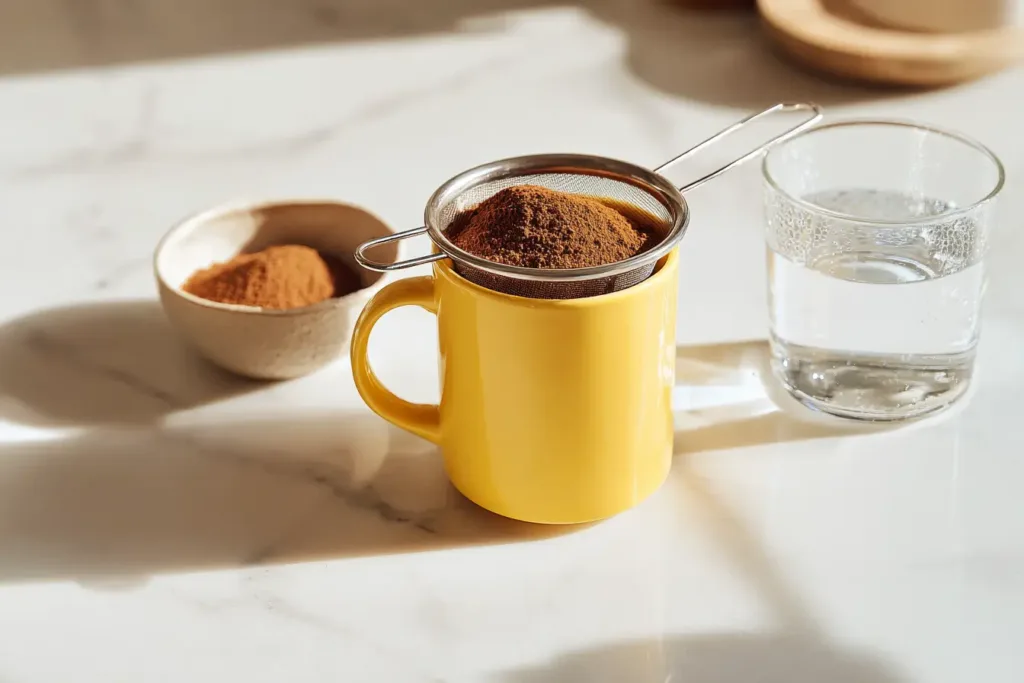
How to Make Cinnamon Water: A Simple Recipe
Making cinnamon water is almost embarrassingly easy, which is part of what makes it such a sustainable habit. You do not need a blender, a special kettle, or any measuring equipment beyond a rough sense of how much water fills your mug.
The biggest decision you will make is whether to use a cinnamon stick or ground cinnamon. A stick gives you a cleaner, milder infusion and is easier to remove. Ground cinnamon gives you a stronger flavor but leaves a slight sediment at the bottom of the glass. Both work. I prefer the stick for daily drinking because it is less messy and reusable for two or three steeps.
If you want to try a warm drink variation that also helps with digestion, our chai spice vegan pear pie recipe uses a lot of the same warming spices and is a lovely way to bring cinnamon into your meals as well.
Cinnamon Water Benefits and Side Effects You Should Know
No wellness drink is completely without caveats, and cinnamon water is no exception. The cinnamon water Benefits and side effects sit on the same spectrum, meaning the things that make it helpful can also cause problems if you drink too much or use the wrong type.
The most important side effect risk comes from coumarin in Cassia cinnamon. At high doses over time, coumarin can cause liver damage. This is why I keep coming back to Ceylon cinnamon as the only sensible choice for daily drinking. It is sometimes called true cinnamon and is lighter in color, slightly sweeter, and significantly safer at regular doses.
Other potential side effects at high intake include mouth sores (cinnamon is potent), low blood sugar if combined with diabetes medication, and digestive irritation in sensitive people. None of these are common at one cup per day, but they are worth knowing about.
Pregnancy is another area to approach carefully. Cinnamon in food amounts is generally considered safe, but drinking a concentrated daily dose of cinnamon water while pregnant is something to discuss with your midwife or OB before starting.
If you are looking for other gentle, food-based wellness habits that pair well with cinnamon water, take a look at this roundup of hearty soup recipes that can help with weight management. Good food and good drinks can do a lot of the heavy lifting together.
Frequently Asked Questions
What happens when you drink cinnamon water daily?
When you drink cinnamon water daily over several weeks, most people notice gradual improvements in digestion, steadier energy levels, and reduced bloating. Some also see clearer skin and better blood sugar patterns. The key word is gradual. This is not a dramatic overnight change. It is a slow, steady improvement in how your body feels from the inside out. Consistency matters more than quantity here.
How much cinnamon water should you drink in a day?
One cup per day is the sweet spot for most people. That typically means one cinnamon stick steeped for ten to fifteen minutes in eight ounces of water, or about half a teaspoon of ground cinnamon stirred in. Drinking more does not speed up the benefits and increases the risk of side effects, particularly with Cassia cinnamon. If you are new to it, start with half a cup and see how your body responds before making it a full daily cup.
Does cinnamon help with breathing problems?
Cinnamon has anti-inflammatory and antimicrobial properties that may support respiratory health in a general way. Some traditional medicine systems use cinnamon to help ease congestion and mild respiratory discomfort. However, there is not strong clinical evidence that drinking cinnamon water specifically treats breathing conditions like asthma or bronchitis. If you have a diagnosed respiratory condition, cinnamon water can be a complementary addition to your routine but should not replace medical treatment.
Does cinnamon reduce blood sugar?
Yes, research does support cinnamon’s ability to improve insulin sensitivity and help lower fasting blood glucose levels, particularly in people with type 2 diabetes or prediabetes. The effect is real but modest. It works best as part of a broader approach to blood sugar management that includes a balanced diet and regular movement. If you are on blood sugar medication, speak to your doctor before adding daily cinnamon water to your routine, as it can enhance the effect of the medication.
Final Thoughts
I did not expect much when I started drinking cinnamon water. It started as improvisation and turned into one of the most consistent wellness habits I have built in years. The benefits are real, the effort is almost zero, and the ritual of making it every morning or evening gives the day a small, grounding moment.
The most important thing is to use Ceylon cinnamon, keep it to one cup per day, and give it a few weeks before you decide if it is working for you. Small and steady is the whole point.
If you try it, I would genuinely love to hear what you notice. Leave a comment below and tell me which benefit surprised you most. And if you want to explore more wellness-friendly recipes, have a look at our healthy homemade gummies for another simple, feel-good habit to build into your week.
Disclaimer
The information provided on this website is for general informational and educational purposes only and is not intended as medical advice.
While we strive to share accurate and up-to-date content, we make no guarantees of any kind regarding the completeness, reliability, or accuracy of this information.
Always consult with a qualified healthcare professional before making any changes to your diet, health routine, or lifestyle—especially if you are pregnant, nursing, taking medication, or have a medical condition.
Any action you take upon the information found on this website is strictly at your own risk. We will not be liable for any losses or damages in connection with the use of our content.
