
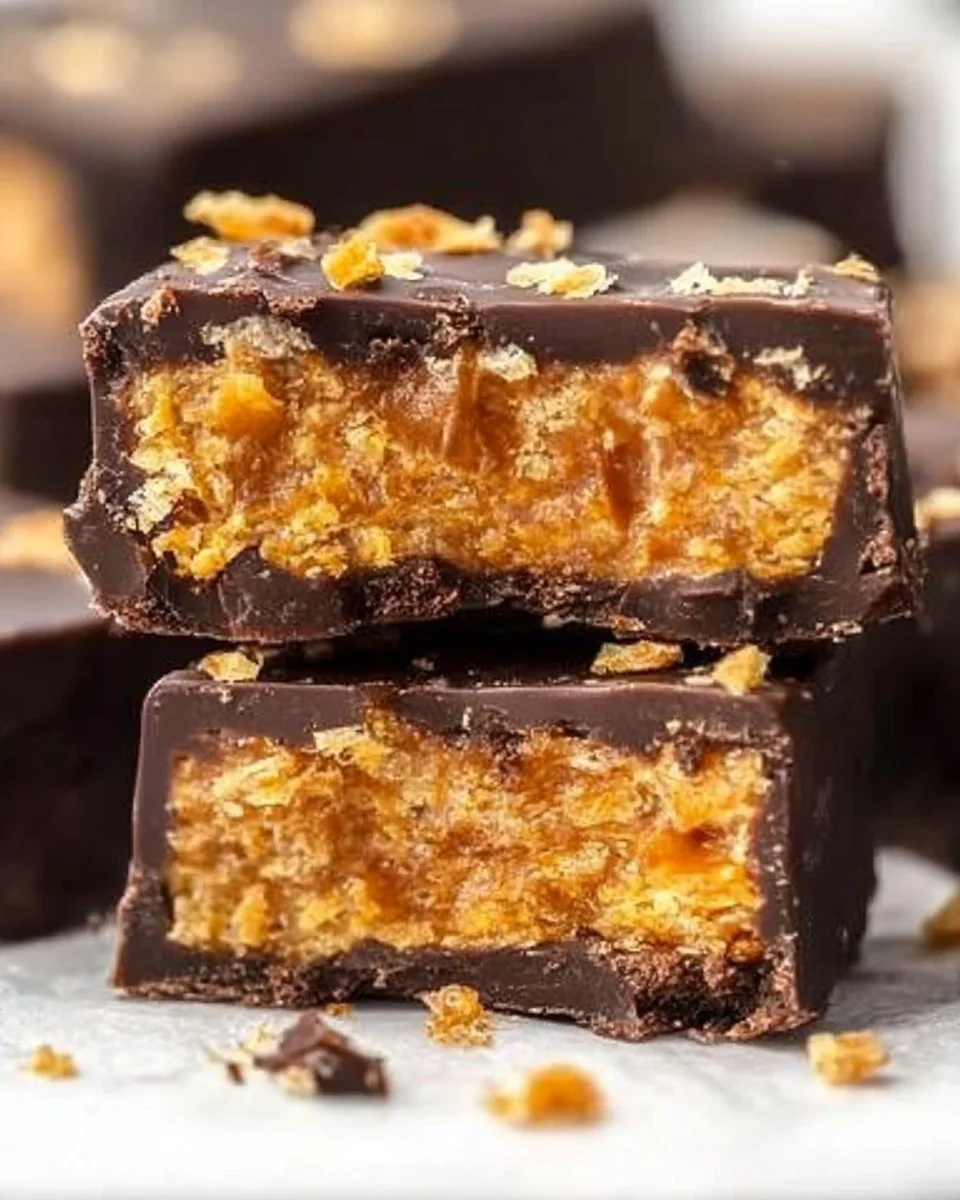
I pulled the pan from the freezer with one hand and held a half-frozen bar in the other while my youngest sang nonsense at the counter, and that first smell of warm peanut butter and chocolate wrapped the kitchen like a small, honest hug. It was one of those late afternoons where everyone needed something to chew on between school and dinner, and making Healthy Homemade Butterfingers felt less like a recipe and more like a little rescue plan. I have written about small, homemade ways to keep snacks simple before in a post about fruity treats that my kids love, and sometimes the same idea shows up here in a different flavor when life gets messy and I need fast, filling help for the cupboards that older gummy idea that once saved an entire week of after school chaos.
Why This Healthy Homemade Butterfingers Fits Our Real Life
This recipe became a staple because it is forgiving and honest. I did not discover it in a glossy magazine. I found it between grocery runs and after late work nights when the kids were hungry and I wanted something better than a bag of candy but still quick enough to make while someone asked for snacks. It first worked the night my son asked for something special and my pantry only offered peanut butter and a sad box of cereal. I mashed things together on the counter while his sister did a puzzle nearby, and the bars came out sticky, sweet, and surprisingly happy.
What makes it reliable is how little can go wrong. If the peanut butter is a touch thicker, you add a splash of maple syrup. If the cereal is a little stale, you crush it a little finer. The routine of making the bars has fit neatly into our family rhythms. On Mondays, they live in the freezer and become a calm rescue after soccer practice. On Saturdays, we stand at the counter and dip bars in melted chocolate with too much chatter and sticky fingers. The recipe does not demand perfect timing or perfect tools. It requires a bowl, a loaf pan, a freezer, and a willingness to make things by hand when life is busy.
These bars have also carried small triumphs. My picky eater once declared them the only peanut butter treat allowed in our house, and overnight school lunches started looking a little less like a sugar parade. They are both an after school comfort and a weekend treat, and they save me on mornings when cups of coffee need company. The bars are not a miracle. They are a handy, honest answer to the daily problem of feeding kids who want something sweet but not stuffed with ingredients I cannot pronounce.
Bringing Healthy Homemade Butterfingers Together
“This is the part where the kitchen starts to smell like dinner is really happening.”
The process is simple and satisfying. You start with the sound of cereal hitting a plastic bag and finish with the solid click of a knife through a chilled bar. Along the way there will be little cues to watch for. The peanut butter and maple syrup should feel smooth and forgiving in the bowl, not runaway runny. When you press the mixture into the pan you will see the edges soften and the center settle. Once the bars are in the freezer, the kitchen will settle too. This part is about patience, and about small sights and smells that tell you the bars are becoming something more than the sum of their parts.
I like to do this while dinner is bubbling on the stove or while a kid works on homework nearby. Melt the chocolate slowly and watch the gloss build. You will know it is ready when the surface of the chocolate shows a steady ribbon as you lift the spoon. Then the dipping becomes a little ritual. You will get chocolate on your fingers, and you will laugh about it later. The bars will set quickly in the freezer, and when you bite into one you will notice the crunch of corn flakes wrapped in sweet, soft peanut butter and the snap of chocolate on the outside. That contrast is what makes a simple snack feel like an achievement.
Ingredients You’ll Need
1 cup peanut butter, this stretches the dish and keeps it filling.
1/3 cup maple syrup or honey, this helps picky eaters and sweetens without refined sugar.
2 cups corn flakes, this keeps it affordable and adds crispness.
1 cup chocolate chips, this makes the outside familiar and lovely.
2 teaspoons coconut oil, this helps the chocolate set glossy and smooth.
These are pantry-friendly amounts that don’t force you to buy specialty items. The choices are flexible. Choose natural peanut butter for a cleaner flavor or the regular kind if you need the familiar sweetness. Maple syrup brings a woodsy note. Honey brings a warm, floral finish. The corn flakes give the bars a light crunch rather than a dense chew, and the coconut oil makes the chocolate easier to work with and shinier when it sets. Keep your measurements simple and forgiving, because this is a family kitchen, not a lab.
How to Make Healthy Homemade Butterfingers
-
Add the corn flakes to a large zip-top bag, seal the bag and crush the cereal into small pieces.
Seal the bag carefully and use a rolling pin or the bottom of a jar to break the flakes into small bits. You want pieces, not dust. The sound of the cereal crunching will tell you when the flakes are the right size. Save a few larger bits if you like extra crunch. -
Add the peanut butter and honey or maple syrup to a large bowl and mix together to combine. Add the crushed corn flakes to the bowl and mix again to fully combine.
Stir until the mix looks even and sticky, and taste a tiny bit to check sweetness. The texture should be tacky and hold together when pressed. If it seems too dry, add a little extra syrup. If it seems too loose, add a few more crushed flakes. -
Transfer the mixture to a loaf pan lined with parchment paper, and press the cereal down into the pan to create an even layer. Place in the freezer to harden for at least 1 hour.
Press firmly so the bars will hold when sliced, but not so firm that they become rock hard. Watch the edges for soft spots and smooth them out with a spatula. The freezer will pull things together and this is the step that turns sticky mix into a sliceable block. -
Remove the pan from the freezer and carefully lift the corn flake mixture out of the pan. Place on a cutting board and cut into 12 bars.
Use a sharp knife, and warm it under hot water then dry it for cleaner cuts. Press down in a steady motion to avoid crumbling. If a bar breaks, set it aside for snacking while you work. Those small, imperfect pieces are often the first to disappear. -
Melt the chocolate chips and coconut oil together, whisk to combine, and then dip each bar into the melted chocolate to completely coat. Remove the bar from the chocolate and set on a parchment-lined plate. Repeat this process with all 12 butterfingers until all are coated in chocolate.
Melt slowly in a double boiler or in short bursts in the microwave, stirring between each burst. The coconut oil will help the chocolate thin out. Dip with a fork for even coverage, and tap gently to let excess chocolate drip back. Expect a little mess. It is part of the process. -
Transfer the butterfingers to the freezer for about 10 minutes, or until the chocolate has hardened. Then, enjoy right away or store in an airtight container in the freezer for up to 3 months (if they last that long!).
Sit down and wait for that first crisp snap of chocolate followed by the soft peanut center. If you store them, stack them with parchment between layers so they do not stick. The freezer keeps them bright and crisp. -
Clean up as you go and keep a small bowl for scraps.
Wipe sticky hands quickly under warm water and keep a damp cloth nearby for counter splashes. The quicker you deal with melted chocolate, the easier it is. Enjoy one of the imperfect ends as your reward for cooking.
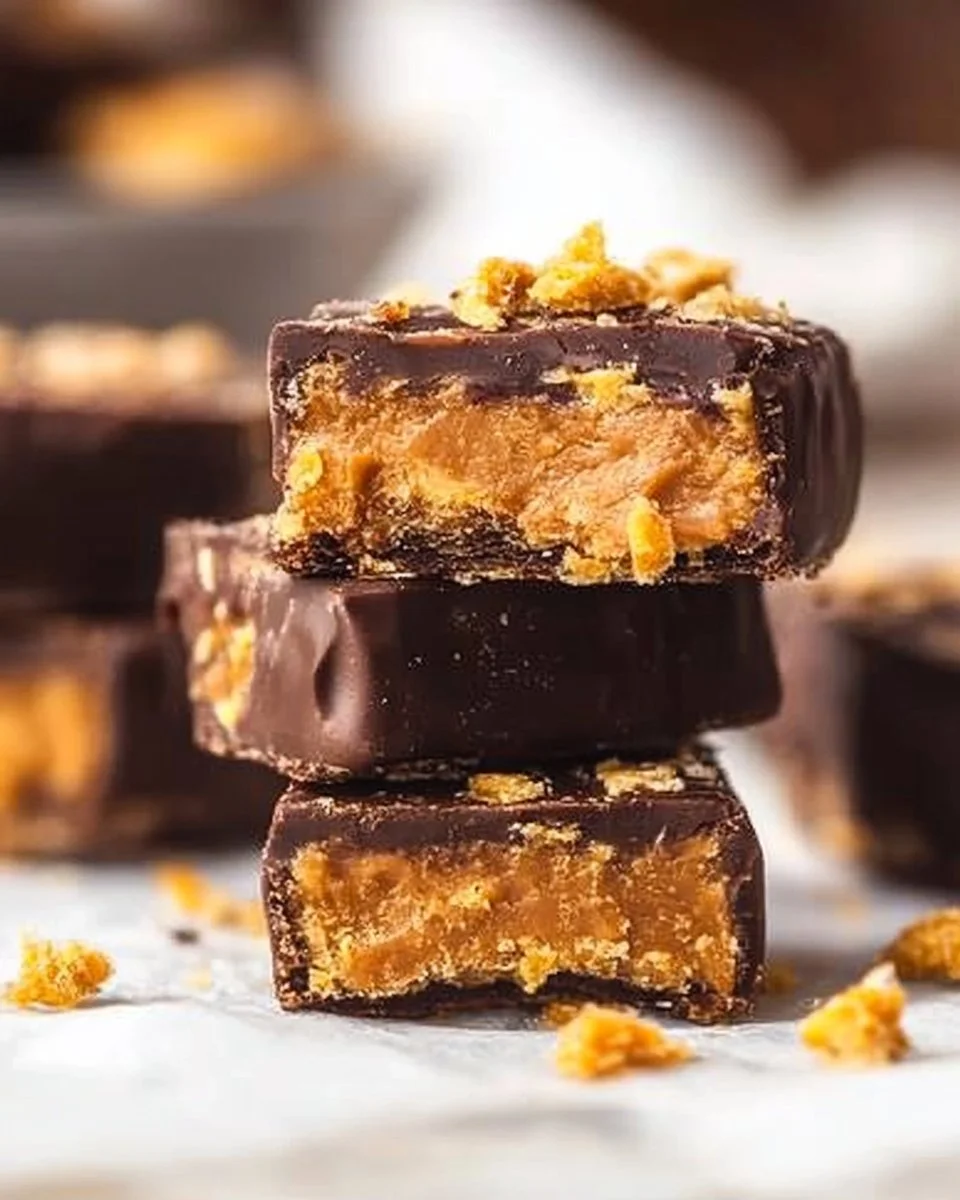
Serving Healthy Homemade Butterfingers in Real Life
We rarely plate these for company. Mostly they live on the kitchen counter, in a tin that gets passed around, or crammed into snack bags for the afternoon rush. I pack them with a small napkin and toss one into a lunch box when the morning has five things going on. At home we eat them standing up, chairs half pulled out, shoes on still, and sometimes while reading comic books at the table. The bars are small enough to be a treat and big enough to feel like a little victory against hunger.
If I want to be a touch fancier, I drizzle a little extra melted chocolate across the top or sprinkle a few flaky salt crystals to make the flavor sing. For a quieter night, we place a bar on a small plate beside a mug of milk and call it dessert. They do not need a lot of ceremony. A napkin and a glass will do, and the kids usually end up with chocolate on their fingers anyway. That is part of the charm.
These bars also travel well. On beach days or park runs, they are firm and satisfying. If you give them to a child after a long bike ride, they will be grateful and energized. Keep a small cooler bag for longer trips, or leave them in the freezer overnight before you head out and they will still be cool when you need them.
Storing Healthy Homemade Butterfingers for Busy Days
Store the bars in an airtight container in the freezer for the best texture and longest life. They stay fresh for up to three months if you can resist them that long. When you need one, take a bar out and let it sit at room temperature for five to ten minutes if you prefer a slightly softer bite. For lunch boxes, a chilled bar will keep the other foods from getting warm.
If you want them a bit softer for younger kids, leave them on the counter for 20 minutes before serving. The chocolate will soften and the center will be chewier. If they get a little frost in the freezer after long storage, let them thaw briefly to avoid an icy edge. The flavors actually settle overnight, so I sometimes make them a day ahead and find they taste more even the next afternoon.
Keep wrapped bars separated with small pieces of parchment paper. This prevents sticking and makes it easy to pull one out without unwrapping the whole batch. If a bar loses its shine, a quick 10 second zap in the microwave will revive a softer texture, but be careful. Chocolate melts fast and you do not want a mess. For the cleanest storage, label the container with the date so you know what to eat first.
Clara’s Kitchen Notes
-
Swap peanut butter if needed. Almond butter or sunflower seed butter works if allergies or preferences require it, but the texture may change. Sunflower seed butter is a lifesaver in my friends group when school rules require nut-free snacks.
-
Crushed cereal texture matters. I learned this the hard way when I crushed the corn flakes into too fine a powder and the bars were dense. Aim for pebble-sized bits so you get crunch and structure.
-
Use a loaf pan lined with parchment. It makes lifting the block out much easier and keeps the bars from breaking at the edges. Fold the parchment so you have a lip to pull on.
-
Set the chocolate slowly. If you overheat the chocolate, it can seize and become grainy. Stir and lower the heat or microwave in short intervals. Coconut oil helps but it is not a cure for overheated chocolate.
-
Clean up tip. Keep a small spatula and a bowl for extra chocolate drips. I use a metal spoon for dipping and wipe it on the bowl edge, then dunk it back. It keeps my counter tidier and saves time later.
These small things came from many tries and a few ruined batches. I have learned to laugh at the messy ones and note what worked for next time. The recipe is forgiving, but a couple of tiny habits make it easier.
Family Variations on Healthy Homemade Butterfingers
We change this recipe depending on the season and how hungry everyone is. In winter, a sprinkle of cinnamon in the peanut butter mix adds warmth. In summer, a slight smear of melted dark chocolate with a pinch of flaky salt gives a grown up twist that my teenagers prefer. If someone wants a nut-free option, swap in sunflower seed butter and add a heaping tablespoon of cocoa powder to the mix so the flavor stays bright.
For a crunchier version, toss in a handful of chopped nuts or toasted oats with the corn flakes. For extra sweetness, fold in a few mini marshmallows right before pressing the mixture into the pan. They will soften in the freezer and give a chewy surprise. For kids who love sprinkles, sprinkle them on while the melted chocolate is still wet. They add color and a little extra joy, even if they make the bars look a touch silly.
If you want to make the bars lower in added sugar, use a natural, unsweetened peanut butter and rely on the 1/3 cup of maple syrup. You can also reduce the syrup slightly if you prefer a less sweet bar. These small swaps let you match the bars to your family’s tastes without adding complexity.
FAQs About Healthy Homemade Butterfingers
Can I make this ahead of time?
Yes. Make the whole batch a day or two ahead and keep them in the freezer. They hold up well and often taste better after a day in the cold where the flavors settle.
What if my peanut butter separates?
Stir the jar until it blends, or choose a stirred natural peanut butter and give it a good mix. Separation is normal for natural but it will rebind when you stir and add syrup.
Can I use a different cereal?
Yes. Crisp rice, crushed pretzels, or even corn puff cereal can work. The texture will change, so choose a cereal that holds its crunch.
How do I avoid soggy bars?
Press the mixture firmly into the pan and make sure the chocolate is set before storing. Keep them cold for longer storage to maintain the crunch.
Are these safe for school snacks?
They are often okay, but check your school rules about peanut products. If you cannot bring peanut items, use sunflower seed butter and clearly label the snack.
A Final Thought
I hope this Healthy Homemade Butterfingers makes your busy afternoons a little softer and your late nights a little easier. These bars are not about perfection. They are about the small work of feeding people who matter, about scraped bowls and sticky fingers and quiet moments when the kitchen smells like chocolate and peanut butter. From my kitchen to yours, I give you a recipe that has survived family life, and in return it will give you a few perfect little snacks to hold onto between the big, chaotic parts of the day. If you ever want a different kind of chewy snack, I have a simple gummy idea that I come back to when the kids want something fruity and fun, and I wrote about that here in a way that might inspire your next batch about making small, homemade gummies. Keep the plates messy, the kids fed, and remember that the best recipes are the ones that fit into your real, loud, lovely life.
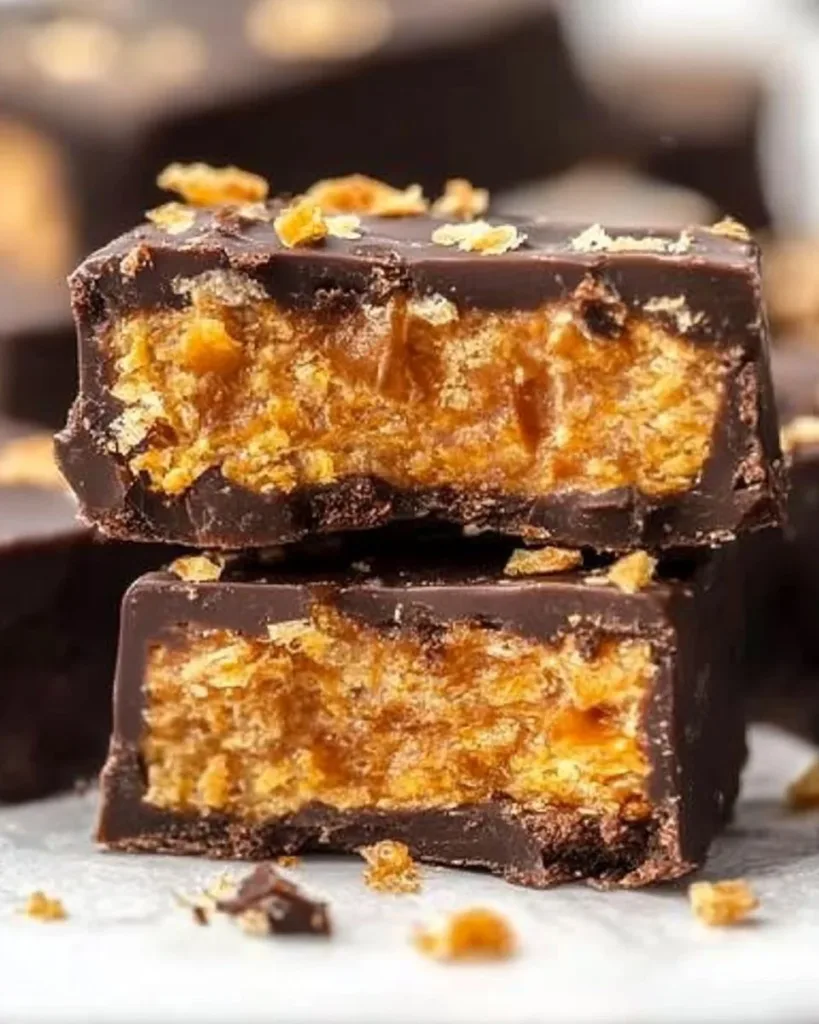
Healthy Homemade Butterfingers
Ingredients
Method
- Add the corn flakes to a large zip-top bag, seal the bag and crush the cereal into small pieces.
- Add the peanut butter and honey or maple syrup to a large bowl and mix together to combine.
- Add the crushed corn flakes to the bowl and mix until fully combined.
- Transfer the mixture to a loaf pan lined with parchment paper and press down to create an even layer.
- Place the mixture into the freezer to harden for at least 1 hour.
- Remove the pan from the freezer and cut the hardened mixture into 12 bars.
- Melt the chocolate chips and coconut oil together, then dip each bar into the melted chocolate.
- Set the coated bars on a parchment-lined plate and repeat until all bars are coated.
- Transfer the butterfingers back to the freezer for about 10 minutes, or until the chocolate has hardened.
